In Europe, the M&A year 2016 has not started off quite as well as many had hoped. In H1 2016, European investment activity was down by 19 percent in deal value compared to the same period in 2015. The continent’s M&A was dragged down by the uncertainty created by the UK’s EU referendum, as well as the US government’s clampdown on tax inversion deals.
14.7.2016
M&A World Is Waking up to Smell the Potential in Finland


Carola Lindholm & Jan Örndahl
Related services
Brexit especially slowed down investments made to the UK. Following a record 2015, UK M&A activity during the first half of the year recorded 638 deals worth approximately EUR 50 billion, a near 70 percent decline compared to H1 2015 and its lowest deal value since 2010.
During this economic slump and uncertainty, the Nordics remained stable compared to the slow economic growth and market volatility within Europe. The Nordic region attracted 497 deals worth EUR 38 billion, which represented a good 40 percent increase by value compared to H1 2015. The region represented 12 % of the total M&A value on the European deal making scene. Therefore, the Nordics has become an increasingly attractive M&A destination.
Four M&A Trends in Finland in 2016
A recent blog post on the Huffington post by Ira Kalb declares Finland to be the World’s Best Kept Secret, stating that Finnish products and companies haven’t been able to market themselves abroad as well as they should have – and deserve. However, in the light of recent Mergermarket M&A trend report for H1 2016, this seems not to ring entirely true.
Finland recorded 76 deals in the first half of 2016 worth EUR 11.2 billion, an almost 370% increase by value compared to H1 2015 (84 deals, EUR 2.4 billion). The highest valued deal of the first quarter was the EUR 646 million acquisition of the Kevitsa mine by the Sweden-based company Boliden. The statistics for the second quarter were again dominated by the sale of majority stake in Supercell, a company valued at USD 10,2 billion, by the Japanese telecom giant SoftBank to Chinese internet giant Tencent.
While the Finnish M&A landscape was dominated during H1 by some large-cap deals, some of which we had the privilege to work on, such deals often blur the rest of the statistics and thus may distract from other, sometimes more solid, or at least interesting, trends.
From our perspective, we have seen the following trends in this year’s Finnish M&A activity.
Sources:
Mergermarket H1 2016 M&A trend report + other Mergermarket deal insights
Thomson Reuters Mid-Market M&A Review, H1 2016

Latest news
Latest references

Marina Group – Acquisition of Iisiveneily and Porvoon Venekorjaamo
We advised Hopeasalmen Telakka Oy, part of Marina Group, on the acquisitions of Iisiveneily and Porvoon Venekorjaamo. The transactions form part of Marina Group’s expansion into the Finnish marina and boatyard sector, strengthening its position under the Quattro Marine brand. Following the acquisitions, Quattro Marine’s Finnish operations comprise Hopeasalmen Telakka, which operates boatyard facilities in Helsinki’s Mustikkamaa and in Tolkkinen, Porvoo, together with Iisiveneily and Porvoon Venekorjaamo. Marina Group is a Norwegian marina and boatyard consortium owned by the private equity sponsor Norvestor. It has grown rapidly through acquisitions to become the Nordic region’s largest boating services provider, having acquired 24 marinas and boatyards across Norway, Sweden and Finland within roughly a year.
Case published 24.8.2026
Neste – A EUR 250 million 10-year loan with NIB
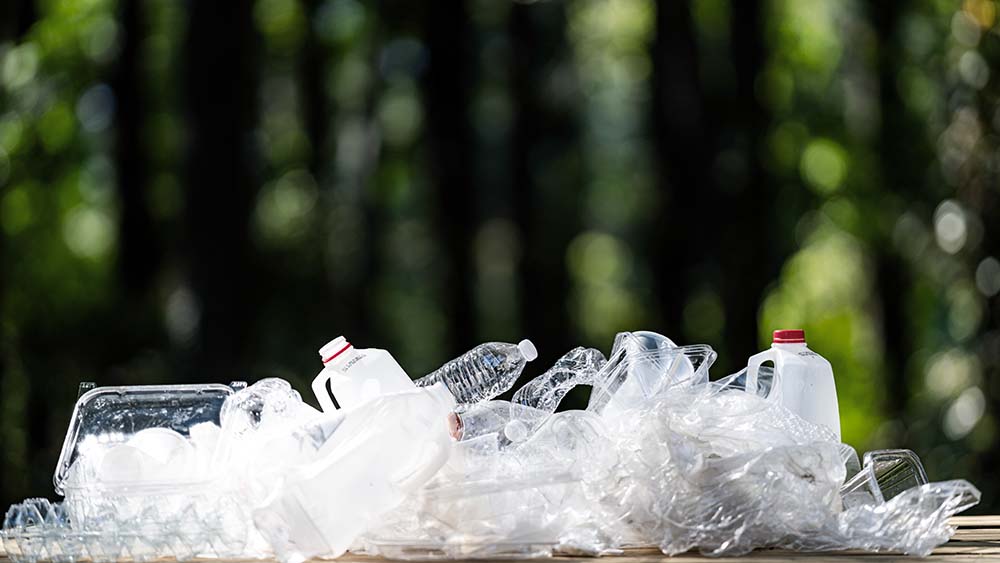
We advised Neste as it signed a EUR 250 million 10-year loan with NIB. The loan will finance Neste’s investments related to research and development (R&D) in processing lower-quality feedstocks into high-quality renewable products; as well as the liquefied waste plastics (LWP) investment at Neste’s refinery in Porvoo, Finland. The R&D activities supported by the loan focus on the development of renewable solutions. These include, for example, expanding feedstock capabilities and technologies that enable the processing of new and lower-quality waste and residues into high-quality renewable end products. Part of the financing supports Neste’s liquefied waste plastics investment in Porvoo, related to upgrading low-quality plastic waste into high-quality feedstock at an industrial scale. The investment contributes to advancing circular economy solutions by enabling the use of hard-to-recycle plastic waste as a replacement for virgin fossil raw materials. The unit has an annual capacity to process up to 150,000 tonnes of liquefied waste plastic. Production ramp-up commenced in 2026.
Case published 19.8.2026
Aspo – Demerger and finance matters
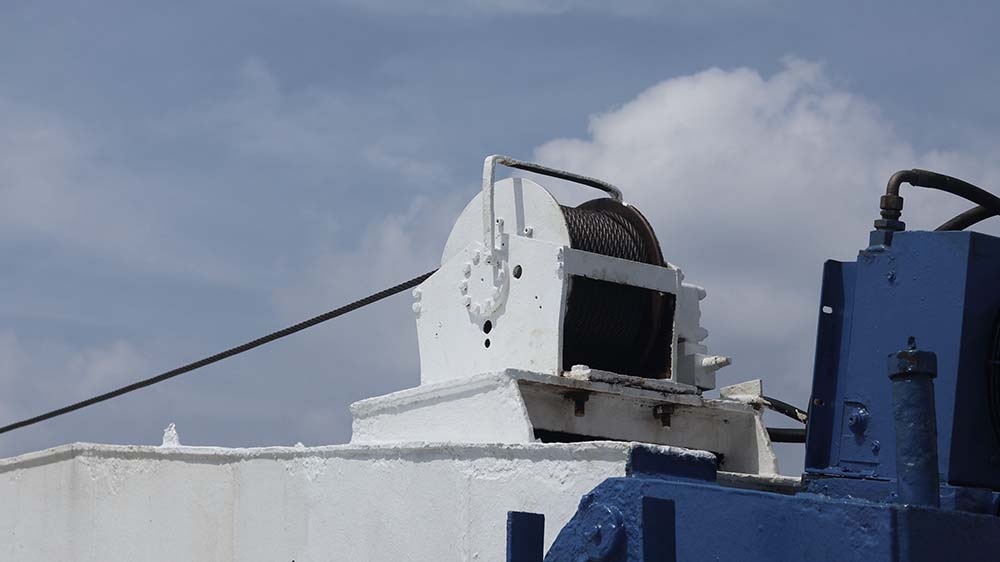
We advised Aspo Plc, ESL Shipping Ltd and AtoBatC Shipping AB in relation to finance matters in connection with the demerger of Aspo, by which all the shares in ESL Shipping Ltd held by Aspo, together with the related assets and liabilities, will be transferred to a new independent company to be named ESL Shipping Group Plc. Aspo intends to apply for the shares of ESL Shipping Group to be admitted to trading on the regulated market of Nasdaq Helsinki. It is further intended that Aspo be renamed Telko Group Plc.
Case published 19.8.2026
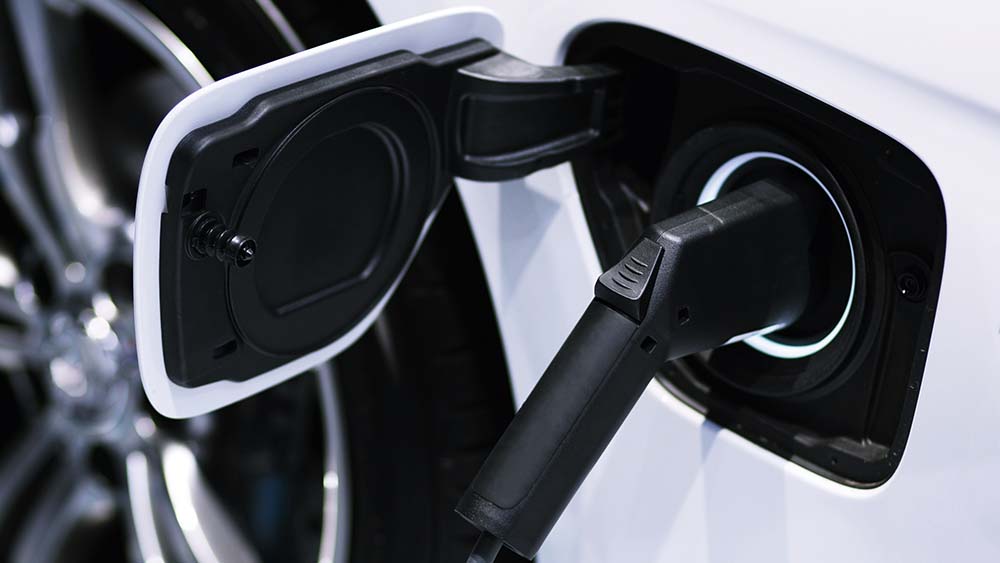
Lenders and Export Credit Agencies – EUR 514.4 million green project financing for Easpring Finland New Materials’ CAM plant
We acted as Finnish law legal adviser to the lenders and the export credit agencies in connection with the EUR 514.4 million green project financing for the development and construction of Easpring Finland New Materials Oy’s cathode active material (CAM) manufacturing plant in Kotka, Finland. The borrower, Easpring Finland New Materials Oy, is a joint venture owned by Beijing Easpring Material Technology, Finnish Minerals Group and LG Energy Solution. The financing was provided by six international commercial banks, with Société Générale acting as financial adviser and mandated lead arranger together with Natixis as co-mandated lead arranger, and DNB, ICBC, ING and Standard Chartered participating as lenders, with support from the export credit agencies Finnvera and Sinosure. The project represents a significant milestone for Finland and the European battery value chain by strengthening Europe’s domestic supply of cathode active materials, a key component in lithium-ion batteries for electric vehicles and energy storage applications. Once the first phase of the project is operational, the Kotka facility is expected to produce approximately 60,000 tonnes of cathode active material annually, making it one of the largest CAM production plants in Europe and supplying leading battery manufacturers across Europe.
Case published 21.7.2026