The past year and a half has forced construction companies to adapt in new ways. After an uncertain start, the resource and material shortage and the increase in prices have levelled out the growth of the construction industry. There has been no shortage of unexpected variables.
7.9.2021
Freedom of Contract in Demanding Construction Projects Should Not Be Limited in Legislative Reform
Related services
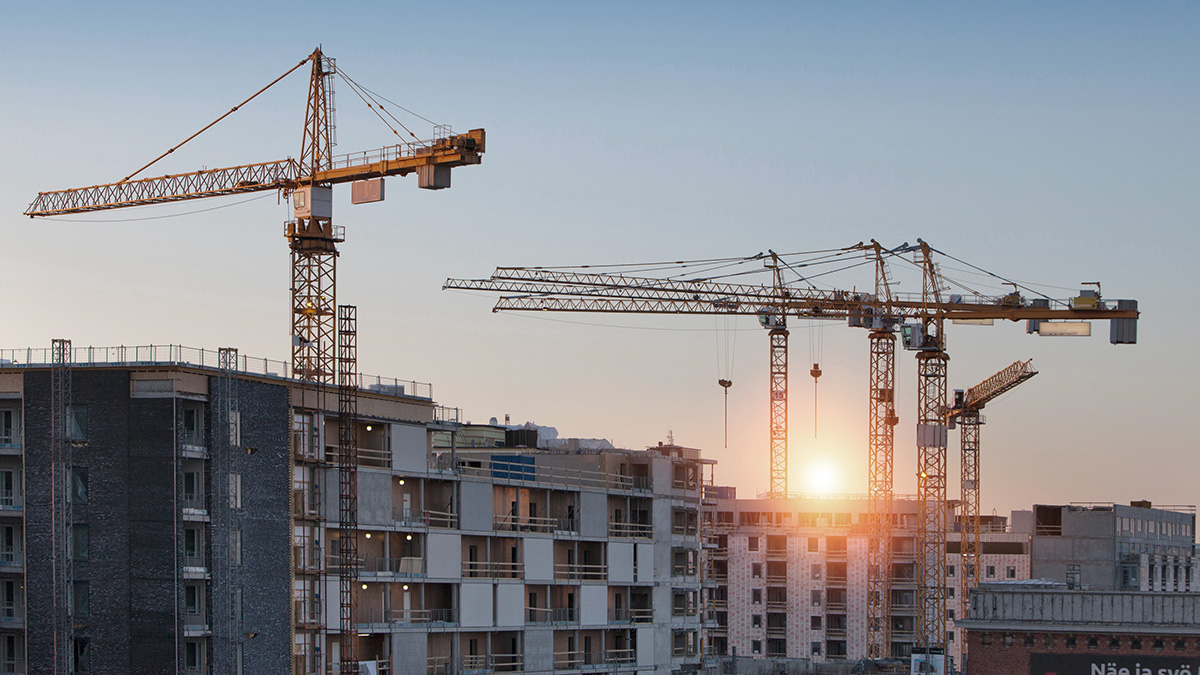
There is also an active public debate surrounding the quality of building construction and climate goals. The pending reform of the Land Use and Building Act intends to enact new circular economy and sustainability goals and attempts to address the quality issues, for example, through mandatory liability periods for various project parties. According to current information, the reform draft has mainly looked to traditional housing and infrastructure construction as well as the Finnish General Conditions for Building Contracts YSE 1998.
However, many extensive and demanding construction projects, such as power plant projects, are carried out using non-traditional models. The FIDIC contract forms are one example of a model that is in widespread use internationally, and the alliance model has also increased in popularity. Will lawmakers take these non-traditional models sufficiently into account when renewing the legislation?
Mandatory liability periods would be an additional legislative hurdle that should not be put in the way of extensive infrastructure and plant projects. The parties to these kinds of projects are often large international operators from a variety of countries. Taking the reform’s planned liabilities into account and incorporating them into the other levels of the contract chain could prove difficult if not impossible. At the end of the day, the cost of this risk will be paid by the owner, and there is no guarantee that the quality of building construction will improve. The same is true in investor-driven housing construction projects. Instead of enacting mandatory liability periods, lawmakers should trust agreements between professionals, which give demanding projects the freedom of action they need.



Latest insights
Article published 31.5.2024 – International Construction & Projects
Functional electricity infrastructure is the key to attracting investments to Finland


 Article published 27.5.2024 – International Construction & Projects
Draft proposal on the new act on offshore wind power in the exclusive economic zone sent out for comments
Article published 27.5.2024 – International Construction & Projects
Draft proposal on the new act on offshore wind power in the exclusive economic zone sent out for comments
 Article published 23.5.2024 – International Construction & Projects
Changes in the construction industry provide good grounds for updating the General Conditions for Building Contracts
Article published 23.5.2024 – International Construction & Projects
Changes in the construction industry provide good grounds for updating the General Conditions for Building Contracts
 Article published 27.3.2024 – Restructuring & Insolvency
A construction boom is just around the corner
Article published 27.3.2024 – Restructuring & Insolvency
A construction boom is just around the corner


Samuli Tarkiainen, Antti Kaakkola & Jerker Pitkänen
Samuli Tarkiainen & Kanerva Sunila
Jaakko Honkala & Jerker Pitkänen
Pauliina Tenhunen, Jerker Pitkänen & Elina Pesonen
Latest references
Delta Capacity – Acquisition of BESS Project
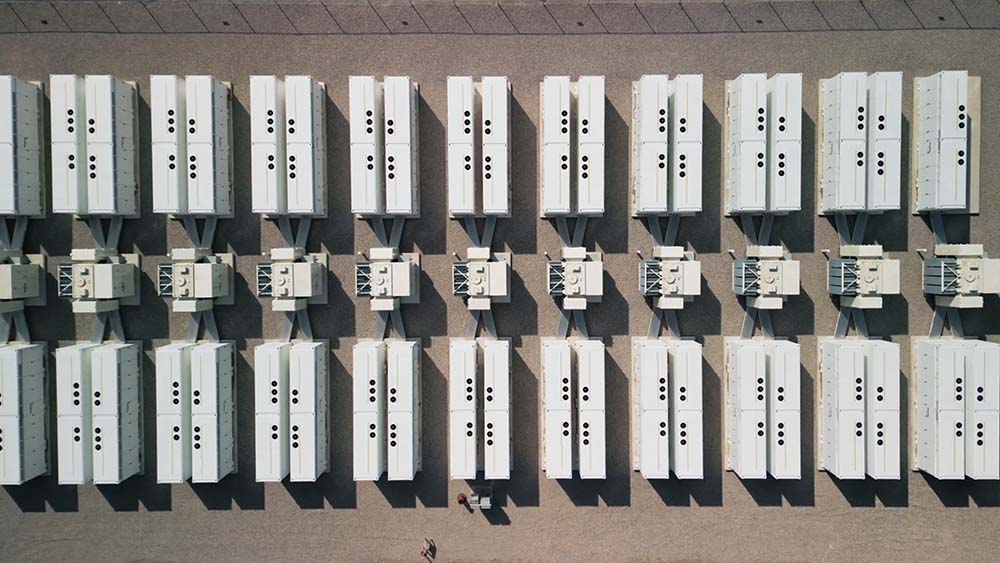
We acted as Finnish legal advisor to Delta Capacity in connection with its acquisition of the ready-to-build Karppio battery energy storage system (BESS) project from Helios Nordic Energy. The acquisition was made and the project will be implemented together with Strioga Family Foundation. The Karppio BESS project is located in Teuva, Finland, and has a capacity of 125 MW / 300 MWh. Delta Capacity will lead the remaining development of the project through to commissioning, planned for 2027, and will serve as long-term asset manager. Delta Capacity is a Swiss-based developer of utility scale battery storage systems. The acquisition adds to Delta Capacity’s growing Nordic portfolio.
Case published 20.7.2026
Oomi Solar – Sale of a Solar Power Plant and Battery Energy Storage Project
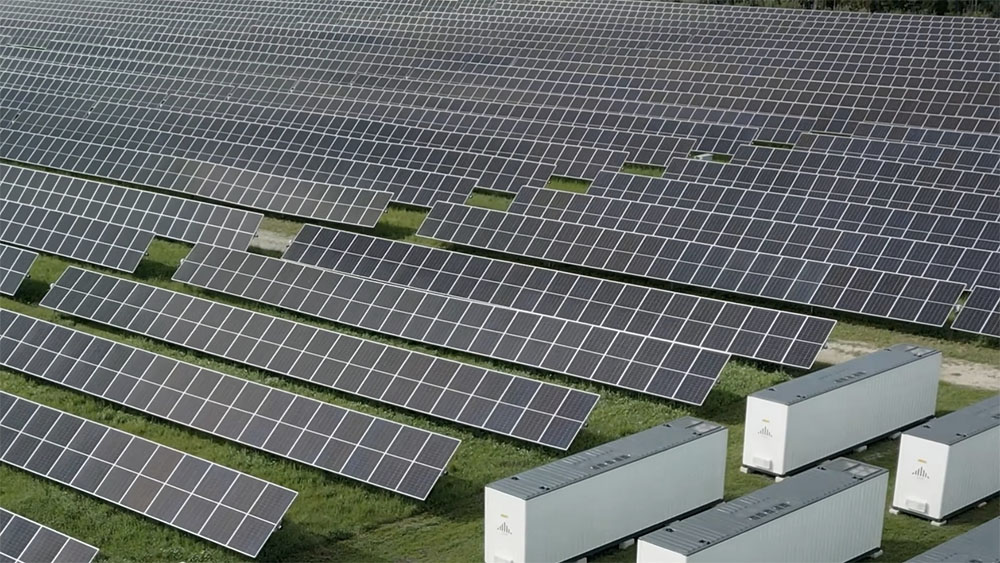
We advised Oomi Solar Oy on the sale of a solar power park and battery energy storage project to Tuulipolar Oy. The transaction concerned a 24 MWp solar power plant and a 36 MW / 70 MWh battery energy storage system (BESS) to be constructed in Tornio. Tuulipolar Oy will act as the owner and operator of the plant, while Oomi Solar Oy will be responsible for its design and construction. The project will form the world’s northernmost industrial hybrid power plant, contributing to Finland’s green energy transition by increasing renewable energy production and electricity storage capacity in Northern Finland. The hybrid solution enables optimization of production as well as active participation in electricity markets and reserve services, improving the project’s profitability and supporting the balance of the electricity system year-round. Electricity production from the hybrid plant is expected to begin in 2028. Oomi Solar Oy is a Finnish renewable energy expert with experience from nearly 200 MW of installed solar capacity. The company helps businesses and communities accelerate the green transition by offering comprehensive solutions, including solar power plants, energy storage systems, and related lifecycle services from project development to maintenance. Oomi Solar Oy employs more than 20 energy professionals and delivers solar power projects across Finland. The company’s vision is to be Finland’s most desired partner for solar energy and energy solutions.
Case published 5.6.2026

Nscale – Data centre project
Castrén & Snellman advised Nscale, a European AI infrastructure company, in connection with its planned data centre project in Harjavalta, Finland. The facility will be located in the Sievari industrial area. Castrén & Snellman’s advisory role encompassed the negotiation and execution of a site securing and development agreement (SSDA) with Fortum, as well as the preliminary land sale process for the Sievari site with the Town of Harjavalta. Under the SSDA, Fortum supports the advancement of Nscale’s project development, including grid connection design and permitting.
Case published 15.4.2026

YIT – Data centre construction agreements with XTX Markets
We advised the urban developer and construction company YIT on the drafting and negotiation of two construction agreements with the leading algorithmic trading firm XTX Markets for the development of two data centres in Kajaani, Finland, which are part of XTX Markets’ data centre complex. The first agreement, valued at approximately EUR 100 million and signed in December 2024, marked the commencement of the construction of the first data centre facility in Kajaani, establishing Kajaani as a strategic hub for high-performance computing infrastructure. Building on the success of this collaboration, YIT and XTX Markets entered into a second agreement in August 2025 to commence construction of a second data centre facility. This phase includes the delivery of the shell and core of the new building.
Case published 20.11.2025