The electricity price spikes at the start of the year were a stark reminder that the vulnerability of the energy system is not a theoretical risk. The windless cold weather had a significant impact on price levels, and this, paired with the global security situation, helped bring the question of security of supply back to the fore.
2.3.2026
Energy security is a matter of investment and competitiveness



Samuli Tarkiainen & Marius af Schultén
Related services
Energy security is not simply a question of price levels, however. It is a matter of investment, competitiveness and the overall functioning of the economy.
Russia’s war of aggression and the systematic destruction of energy infrastructure in Ukraine have shown that energy is a strategic instrument. More than 60 per cent of Ukraine’s electricity generation capacity has been destroyed during the war – and yet the system has held up, largely thanks to historical redundancy.
The lesson is clear: crises cannot be managed by reacting to them as they unfold. They are managed by preparing for them in advance.
The Finnish electricity system faces a structural challenge. As the share of renewable energy in electricity production increases, generation is increasingly concentrated in Ostrobothnia and Lapland. Electricity consumption, however, does not follow suit in a linear fashion, but will continue to be largely concentrated in southern Finland. This makes transmission networks a critical element of the entire system. The pressure to invest in transmission infrastructure is further intensified by the explosive growth in electricity storage projects as well as the broader electrification of industry and district heating networks. At the same time, the predictability of obtaining a grid connection is an essential prerequisite for attracting the industrial investments that Finland needs.
Resilience does not stem from a single solution. It requires a diverse electricity mix, robust transmission networks, storage capacity, and the protection of critical infrastructure against both physical and cyber threats.
Long-term infrastructure and energy investments require predictable regulation.
When a company makes an investment decision worth hundreds of millions or billions of euros, it needs to know what the rules are – and that those rules will not change midway.
Erratic regulatory changes translate directly into uncertainty in investment decisions. Energy security requires a regulatory framework that is investment-friendly, aligned with EU-level requirements, and flexible enough to adapt to changing circumstances.
Energy security is an integral part of the stability of Finland’s investment environment. Sufficient energy availability, functioning infrastructure and a clear set of rules form the foundation upon which industrial investments, data centre projects and green transition initiatives are built. Advancing these is in the interest of Finnish society as a whole.
Energy security is not an achieved state. It is an ongoing process that requires investment, cooperation and long-term commitment. The question is not whether we can hold our own against others, but whether we are building an operating environment in which growth and the green transition can be realised even in an uncertain world.


Latest insights
Article published 24.9.2026 – Environment, Energy & Green Transition
Electricity Market Act: Proposed priority procedure to significantly change new electricity network connections in situations of scarce capacity


 Article published 8.5.2026 – Environment, Energy & Green Transition
Reform of Finland’s land use legislation – key takeaways for project developers
Article published 8.5.2026 – Environment, Energy & Green Transition
Reform of Finland’s land use legislation – key takeaways for project developers

 Article published 6.2.2026 – Tax & Structuring
Electricity sector Profit Tax Act in conflict with EU law – SAC denied leave to appeal
Article published 6.2.2026 – Tax & Structuring
Electricity sector Profit Tax Act in conflict with EU law – SAC denied leave to appeal

 Article published 16.12.2025 – Environment, Energy & Green Transition
Parliament approves substantial increases in tax on mined minerals
Article published 16.12.2025 – Environment, Energy & Green Transition
Parliament approves substantial increases in tax on mined minerals
Marius af Schultén, Kanerva Sunila, Samuli Tarkiainen, Jonas Holm & Noora Ahonen
Tarja Pirinen, Marius af Schultén & Joel Aartolahti
Janne Juusela & Mikko Alakare
Tarja Pirinen, Mikko Alakare & Noora Ahonen
Latest references

Neoen – Sale of data centre
We advised Neoen Renewables Finland Oy, part of the French Neoen Group, in its sale of a data centre project to a consortium consisting of international data centre developers and operators. This marked Neoen’s first data centre development project in Finland. Founded in 2008, Neoen is one of the world’s leading independent renewable energy producers. The company operates in 15 countries. It develops, finances, builds, owns, and operates solar power plants, wind farms, and battery storage systems. Neoen Group is owned by global alternative asset manager Brookfield Corporation.
Case published 17.9.2026
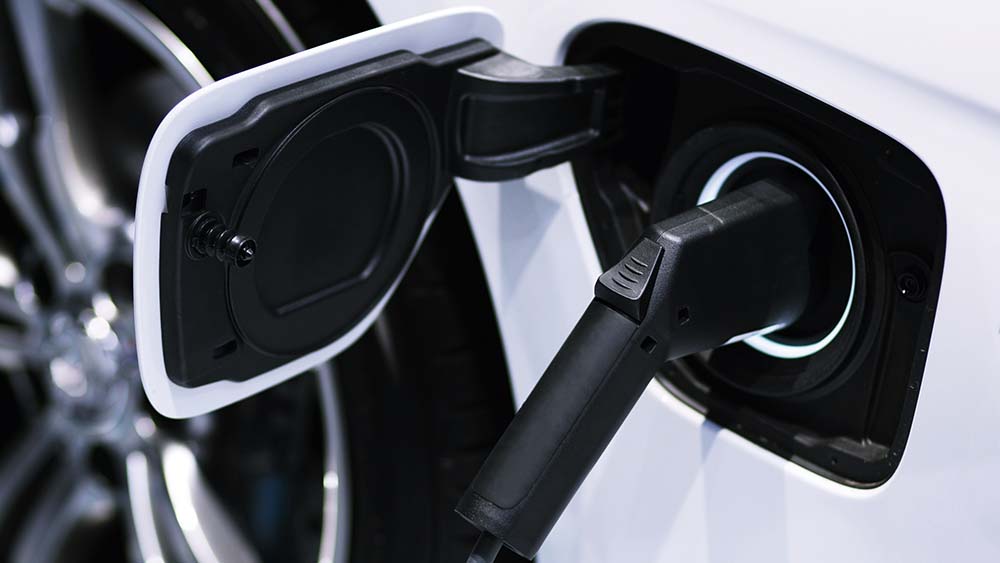
Lenders and Export Credit Agencies – EUR 514.4 million green project financing for Easpring Finland New Materials’ CAM plant
We acted as Finnish law legal adviser to the lenders and the export credit agencies in connection with the EUR 514.4 million green project financing for the development and construction of Easpring Finland New Materials Oy’s cathode active material (CAM) manufacturing plant in Kotka, Finland. The borrower, Easpring Finland New Materials Oy, is a joint venture owned by Beijing Easpring Material Technology, Finnish Minerals Group and LG Energy Solution. The financing was provided by six international commercial banks, with Société Générale acting as financial adviser and mandated lead arranger together with Natixis as co-mandated lead arranger, and DNB, ICBC, ING and Standard Chartered participating as lenders, with support from the export credit agencies Finnvera and Sinosure. The project represents a significant milestone for Finland and the European battery value chain by strengthening Europe’s domestic supply of cathode active materials, a key component in lithium-ion batteries for electric vehicles and energy storage applications. Once the first phase of the project is operational, the Kotka facility is expected to produce approximately 60,000 tonnes of cathode active material annually, making it one of the largest CAM production plants in Europe and supplying leading battery manufacturers across Europe.
Case published 21.7.2026
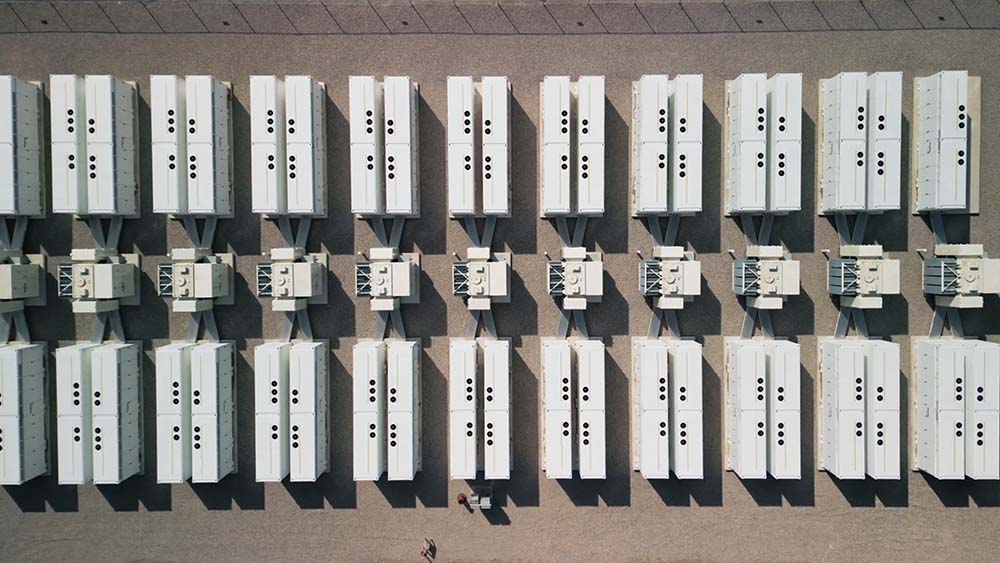
Delta Capacity – Acquisition of BESS Project
We acted as Finnish legal advisor to Delta Capacity in connection with its acquisition of the ready-to-build Karppio battery energy storage system (BESS) project from Helios Nordic Energy. The acquisition was made and the project will be implemented together with Strioga Family Foundation. The Karppio BESS project is located in Teuva, Finland, and has a capacity of 125 MW / 300 MWh. Delta Capacity will lead the remaining development of the project through to commissioning, planned for 2027, and will serve as long-term asset manager. Delta Capacity is a Swiss-based developer of utility scale battery storage systems. The acquisition adds to Delta Capacity’s growing Nordic portfolio.
Case published 20.7.2026
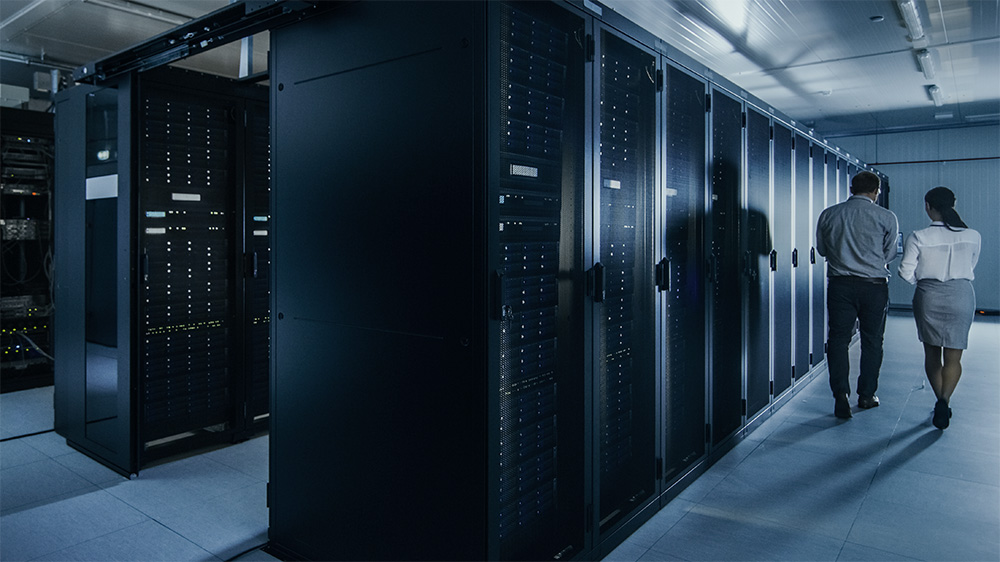
Winda Energy – Data centre project in Janakkala
We advise Winda Energy Oy on the development of its c. 100 MW data centre project in Janakkala, Finland, a landmark investment exceeding EUR 500 million. The project is being developed in collaboration with European investment company Gi21 Capital. Construction is scheduled to commence in 2027, with completion targeted for 2028. Winda Energy Oy is a renewable energy project development company established in 2011, with a portfolio of wind and solar power projects across Finland. The company manages projects throughout their full lifecycle, from initial planning and permitting to construction and completion.
Case published 8.7.2026