The Finnish Bar Association is visibly supporting Pride this year and is driving change in the culture of the field. While Pride week is an important opportunity to talk about diversity and equality, it is more important to promote the position of sexual and gender minorities throughout the year.
30.6.2021
Pride Reminds Us of the Need to Promote Equality for Rainbow Minorities

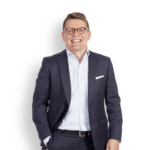
Sakari Lukinmaa
Tags

Laws Change, Working Life Lags Behind
Equality is a statutory right in Finland, but the customs and culture of working life are slower to change. The European Union Agency for Fundamental Rights conducted an LGBTI survey two years ago. According to the survey, as many as 92% of Finnish LGBTI people are in the closet at the workplace to some extent with respect to their sexual or gender identity.
Lawyers Aren’t an Exception as a Work Community
Based on the survey, Finland is not a model student when it comes to equality. Though we have no research data on our industry, we think it is safe to say that the legal community is no model student either. It is worrying to hear that a large number of young LGBTI people return to the closet after their studies when moving into working life in our field. It is sad that this is the case in 2021.
Though there is no industry-wide research data, we have examined the situation in our own firm. In our work satisfaction survey conducted in 2020, 96% of our personnel said that they could be themselves at the workplace. This is not a bad place to start. However, the picture looked different when we asked how people felt the workplace supported them in bringing out a minority identity.
In an equality survey that we carried out in 2021, 76% of respondents somewhat or fully agreed that our work community is supportive of employees expressing their membership in various minorities if they wish. Correspondingly, a quarter of respondents felt that this is not the case. One quarter is a significant number of people in a 260-person community that values sustainability, a good working atmosphere and the wellbeing of personnel. The comments indicated that, though people felt there was no obstacle to expressing a minority identity at the workplace, the general heteronormativity of the field in general does not encourage such expression.
What are we doing about it? We have launched a diversity project in which we discuss and educate ourselves as a community, because we want to better understand minorities and work to mitigate heteronormativity in our workplace. We consult outside experts in this work.
We are happy to work with the Bar Association and other law firms to improve the situation. Role models and encouragement to be oneself are also needed. When we ask our personnel the same questions in our equality survey next year, we hope the answer will show that we have succeeded in making things better.
Improving our Culture is an Investment in Wellbeing and Business
It is up to each individual to decide how much they want to open up about their private lives at the workplace. However, in a tolerant and open workplace, employees should be able to share their personal news without hiding the name of their partner, for example, and also be able to look like themselves.
Many LGBTI athletes and artists have talked about how their performance improved significantly after coming out. A person can unlock their full potential when they no longer have to use energy to hide their identity. Genuine equality is important on a human level and can even indirectly benefit business. In our demanding field, we need the best talents and courageous individuals.
Latest insights
Article published 26.10.2026 – FDI Regulatory Service
Reform of Finnish FDI screening moves forward: significant changes and broader scope

 Article published 1.10.2026 – Financial Regulation
New EU-driven banking M&A rules entered into force in Finland on 1 October 2026
 Article published 24.9.2026 – Environment, Energy & Green Transition
Electricity Market Act: Proposed priority procedure to significantly change new electricity network connections in situations of scarce capacity


 Article published 11.9.2026
Finland proposes a new data centre register – draft legislation open for comments



Kiti Karvinen, Joachim Wik & Johanna Kyllöinen
Hannu Huotilainen
Marius af Schultén, Kanerva Sunila, Samuli Tarkiainen, Jonas Holm & Noora Ahonen
Marius af Schultén, Antti Kaakkola, Samuli Tarkiainen, Mikko Alakare, Janne Juusela & Jerker Pitkänen
Latest references

NolaWorks – User-centred contract templates and data protection documentation
We prepared new contract templates and data protection documentation for NolaWorks Oy in both Finnish and English. The document package comprised general terms and conditions , an order form, a data processing agreement and a privacy notice . The client wanted documents that reflected current legal requirements while remaining concise and easy to understand, with clear language and a logical structure. A user-centred approach guided the entire project. We gave the documents a clear structure to make the contractual terms easy to read and apply. We designed the order form as a table to make it quicker to enter order-specific details, while the accessible language of the privacy notice helps readers understand their rights with ease. The visual design and layout followed the client’s brand guidelines. We first delivered a prototype, then refined the documents into their final form based on the client’s feedback. NolaWorks is a consultancy specialising in global mobility. It advises clients on matters such as cross-border remote work, employment law and dealings with public authorities. The documentation therefore needed to be legally robust and easy to adapt to a wide range of assignments, often involving an international dimension. Close dialogue with the client was essential to ensuring quality throughout the agile, iterative project. “When the time came to prepare general terms and conditions and the other documents my company needed, I realised that technological advances and the adoption of AI had brought new requirements that existing templates could no longer address. I therefore turned to Castrén & Snellman. Their team took the time to understand my business and brought care and expertise to designing documents that would best meet its needs. Our meetings never felt rushed, and I always felt comfortable asking questions, even ones I thought might be silly. As someone just starting out with a small business, I found that particularly valuable. This gives us a strong foundation to build on”, says Liisa Hämeen-Anttila, CEO of NolaWorks.
Case published 27.11.2026

Anthropic – IPO
On Thursday, 19 November 2026, the shares of Anthropic were admitted to trading on Nasdaq. The initial public offering of Anthropic marks the largest IPO in history. In connection with the IPO, Anthropic carried out a public offering to certain European countries, including Finland. Castrén & Snellman acted as Finnish counsel to Anthropic in the European offering.
Case published 20.11.2026
Cibus Real Estate – Acquisition of three retail properties
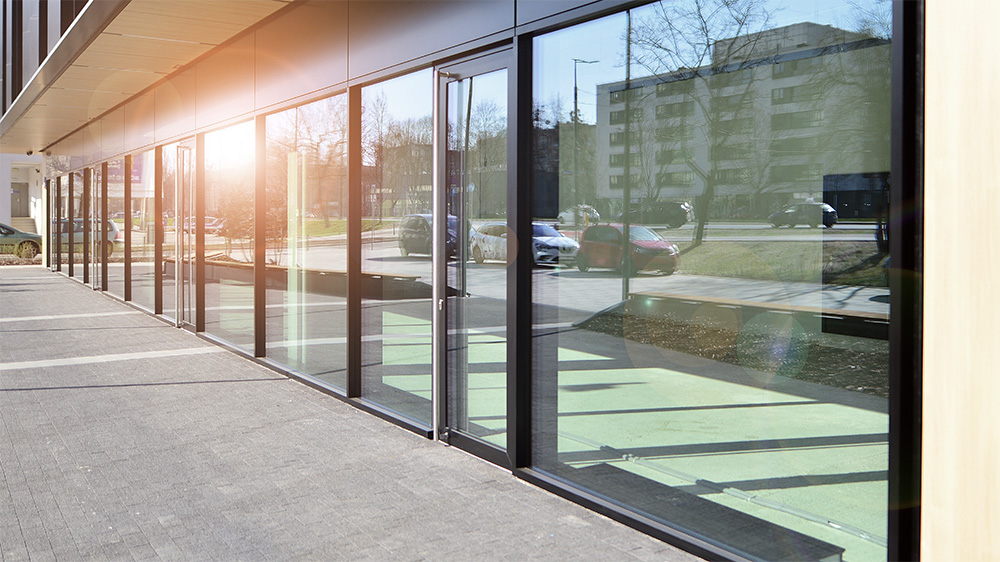
We advised Cibus Real Estate AB (publ) on its acquisition of three newly built retail properties in Pori, Finland. Kesko is the tenant in all three properties, and the average lease term is 8.1 years. Cibus is a real estate company listed on Nasdaq Stockholm Mid Cap. The company’s business concept is to acquire, develop and manage properties in Europe with daily goods chains as anchor tenants. The company currently owns approximately 700 properties in Europe.
Case published 12.11.2026

Seaya Nova and Molten Ventures – USD 80 million series C financing of Pliant
We advised Seaya Nova and Molten Ventures as Finnish counsel in connection with the USD 80 million Series C financing of Pliant, a Berlin-based fintech specialising in B2B payment solutions and corporate credit cards. The financing round was led by Seaya Nova and Speedinvest, with participation from Illuminate Financial, Motive Partners, Molten Ventures and Citi Ventures. Founded in Berlin in 2020, Pliant provides modular payment solutions for businesses and holds an EU e-money licence in Finland as well as a licence from the UK Financial Conduct Authority. We advised on the Finnish law aspects of the transaction alongside YPOG, which acted as lead counsel to Seaya Nova and Molten Ventures.
Case published 12.11.2026