The Tokyo Olympics have been delayed to next year, but issues relating to Olympic marketing and responsibility are as current as ever. The Olympic movement is one of the world’s most recognisable sports brands. The Olympic Symbol are associated with strong images like inspiration, excellence, optimism and diversity, and when used correctly, the Olympics’ brand value is immense. However, the brand is more than just an expensive logo: responsible Olympic marketing can be used to benefit important social causes.
24.6.2020
Responsible Sports Marketing Benefits Society

Hilma-Karoliina Rozell
Related services
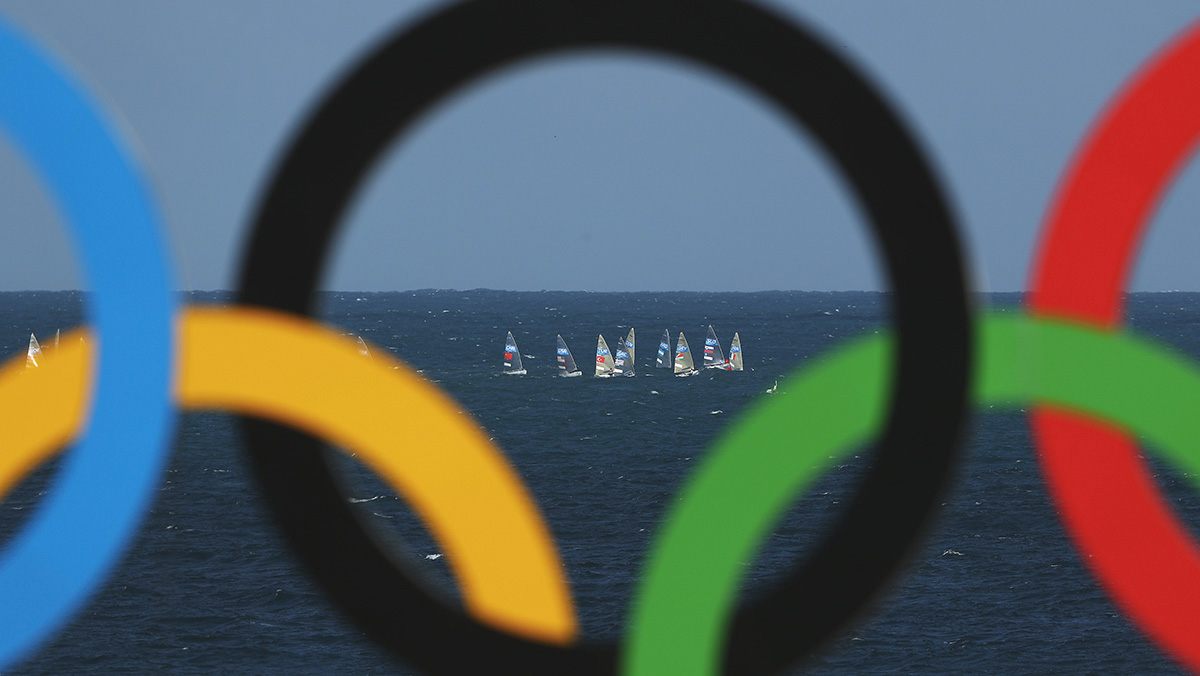
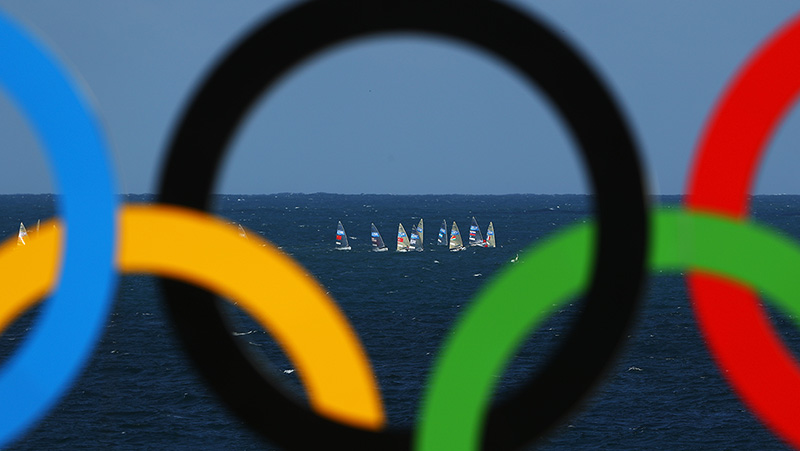
The commercial exploitation of the reputation of the Olympic movement has been restricted so that official commercial partnerships can be used to fund the Organising Committees of the Olympic Games and the work of National Olympic Committees. Due to the global attention focused on the Olympics and the significant financial interests involved, the Olympic movement puts a great deal of effort into protecting its trademarks and brands. The effective protection of the Olympic brand benefits all of the official Olympic partners.
Olympic Sponsorship Channels Income into Sports
Olympic sponsorship takes place through an agreement between the Olympic organisation and a company. This agreement grants the sponsoring company the right to use certain Olympic intellectual property rights, such as certain trademarks. The sponsor also gets the opportunity to engage in Olympic-related marketing in exchange for their financial support. Olympic sponsorship programmes are always based on the principle of exclusivity for a certain product category. Under the guidance of the International Olympic Committee (IOC), all sponsor marketing seeks to uphold the ideals and brand value of the Olympics and to protect the exclusive rights of Olympic sponsors.
Sponsors support the organisation of the Olympics and the activities of the Olympic movement in many different ways. In addition to valuable financial resources, they provide goods, services, technology and expertise. The support of sponsors also promotes the Olympic movement’s work in the fields of education, the environment, culture and youth and supports the development of athletes across the globe. Sponsors also develop advertising and marketing activities that help promote the Olympic values and increase the general public’s awareness of the Olympics and support for Olympic athletes.
The IOC distributes 90% of its income to organisations in the Olympic movement to support the organisation of the games and to promote the global development of sports. The remaining 10% goes to the administration of the Olympic movement. The IOC distributes over 3.4 million dollars a day to support athletes and athletic organisations on every level around the world.
The expenses of the Olympic Team Finland are covered using the funds of the Finnish Olympic Committee and the IOC. In exchange for supporting the Finnish Olympic Committee, partner companies gain appeal to support the success of their own business. Partnerships are built around a multifaceted array of campaigns, responsibility programmes, licensing and promotions.
Ambush Marketing is Prohibited
The trademarks and other intellectual property rights relating to the Olympics are the property of the IOC and its national member associations, and their use without permission is prohibited. Anyone who is not an official partner of the IOC or Finnish Olympic Committee is prohibited from creating the impression—whether through advertising, marketing or communications—that they are partners of the Olympic movement either locally or globally.
Because of how well known the Olympic brand is, Olympic intellectual property rights involve significant financing interests, and the careful supervision of these interests is vital to maintain the reputation and continuity of the activities of the Olympics. Official sponsorship is also a significant investment for partners, who are entitled to assume that outside parties will not be able to benefit from the Olympic brand without permission. However, significant financial interests inevitably attract parties seeking to illicitly exploit the reputation of the Olympics or of Olympic athletes. One way that the exclusivity of Olympic sponsors is sought to be protected is through the prevention of ambush marketing.
Ambush marketing is when someone other than an official sponsor refers to the games in their marketing either directly or indirectly in an effort to create the false impression of that they are commercially associated with the games and unlawfully benefit from the related advertising value. Ambush marketing is particularly harmful to the Olympic movement and its official sponsors. For example, 90% of the proceeds from the international main sponsors in the TOP (The Olympic Partners) programme is channelled to National Olympic committees, and ambush marketing reduces the return that the main sponsors get on their vital support of the Olympic movement. The continuity of this support is dependent on the financial benefit gained from the Olympics being allocated fairly between the organisers and financiers.
From a marketing perspective, the Olympics are a particularly important event, because only official partners who have paid for the right to use the Olympic brand in their marketing are allowed to benefit from it. Advertising outside of an official partnership and violations of the advertising rules directly reduce the funds raised for sports.
Responsibility as Official Partnership
The responsibility of marketing is becoming more important all the time, and it has a clear impact on the purchasing decisions of consumers. Responsibility is also one of the Olympic Committee’s key values. In addition to responsibility for society, the environment and personnel, it also means social and financial responsibility towards all of the Olympic Committee’s stakeholders and society in general. By supporting athletics and sports, companies have the opportunity to link themselves to the values of the Olympic movement. An official sponsorship provides companies with concrete value and complying with the principles of responsible marketing guarantees that income is channelled to the development of sports both on the global and national level.
Responsibility also entails that all marketing relating to the Olympics is done with permission in the form of an official partnership. When marketing is done responsibly, this supports the Finnish Olympic Committee’s society work, particularly in encouraging people to exercise more and succeed in elite sports.
The globally renowned Olympic ideals create content, significance and value in business. The Olympic team and its sponsors provide spectators with unforgettable emotional experiences. Acting as an official partner and engaging in responsible marketing supports the success of individual athletes and the development of sports in general.
Castrén & Snellman is proud to support athletics and sport as well as the important work that the Finnish Olympic Committee does in society. As an official partner of the Finnish Olympic Committee, we safeguard the Olympic brand in Finland and make sure the Olympic marketing is done right. We also assist the Finnish Olympic Committee in many sports-related legal issues.
Hilma-Karoliina Markkanen
Senior Associate, Member of the Finnish Bar
Ida Laakkonen
Senior Trainee on the C&S Olympic Team

Latest insights
Article published 1.9.2026 – Intellectual Property
New marketing and consumer protection requirements call for action
Article published 17.10.2025 – Intellectual Property
Is your IP safe? Eight real-life tips to avoid costly mistakes

 Article published 13.3.2024 – Intellectual Property
Changed rules on green claims – does your marketing contain claims about environmental objectives or emissions compensation?
Article published 13.3.2024 – Intellectual Property
Changed rules on green claims – does your marketing contain claims about environmental objectives or emissions compensation?
 Article published 7.12.2023 – Data & Technology
Agreements define data sharing and re-use
Article published 7.12.2023 – Data & Technology
Agreements define data sharing and re-use
Hilma-Karoliina Rozell
Lauri Laatunen & Janne Koivisto
Hilma-Karoliina Rozell & Karla Kallela
Latest references

VR Group – Intellectual property matters
VR-Group Plc is a transport and logistics group owned by the Finnish State, operating passenger and freight rail transport in Finland with activities also in the Swedish market. VR Group provides passenger, logistics and maintenance services with over 160 years’ experience in developing responsible transport of the future. We advise VR Group in intellectual property matters as part of the company’s wider brand protection efforts. Our assignments have included advice on copyright, design rights and trademarks, focusing on the protection of the company’s visual identity – including its distinctive green colour – in connection with transport services as part of a comprehensive IP protection strategy. VR Group’s consistent brand building has also received recognition, including the Finland Chamber of Commerce’s Brand of the Year award in 2026. In the competition, brands were viewed comprehensively from various perspectives, including their story, strategic role, brand renewal ability and intellectual property protection. The jury found that VR had understood the importance of the protection of its brand as part of a comprehensive business strategy.
Case published 9.9.2026

Anora Group – Global Brand Portfolio Management and IP Enforcement
We are advising Anora Group in brand protection and intellectual property enforcement matters globally. Our IP team manages Anora Group’s global trademark and design portfolio, including registration, prosecution, opposition and enforcement. We also advise Anora Group in questions concerning marketing law, social media, domain names and cybersquatting. Anora Group Plc is a publicly listed company. It was born in 2021 through the merger of the Finnish Altia Oyj and the Norwegian Arcus ASA. Anora Group is a leading wine and spirits brand house in the Nordic Region and a global industry forerunner in sustainability. Anora Group has a large portfolio of iconic brands such as Koskenkorva, Linie, Larsen, Skagerrak, Chill Out, Ruby Zin, Wongraven, O.P. Anderson and Falling Feather. Its key brands are exported to over 30 markets globally.
Case published 28.1.2026
Sinituote – Protection and Enforcement of Brands and Designs
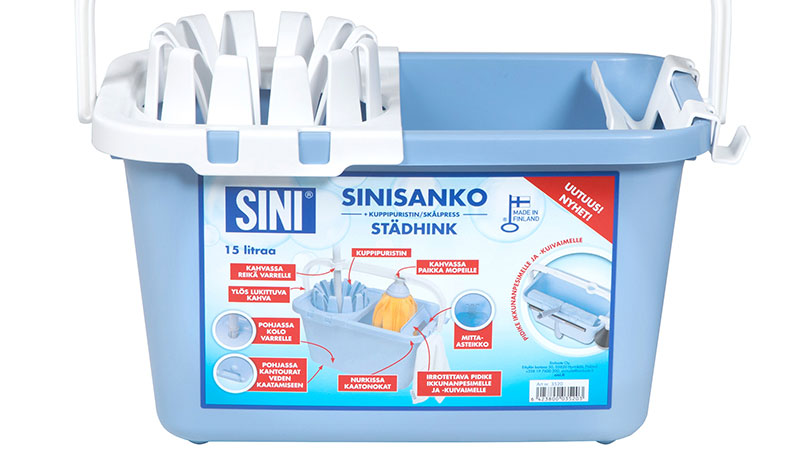
We are assisting Sinituote in the protection and enforcement of its trademarks and designs and in issues related to the management of its IP portfolio. Under the SINI brand, Sinituote markets and sells cleaning tools and products. SINI products are among the most popular ones in their product category in Finland. Kungs is the leading Nordic brand for automobile care. It includes winter products such as snow brushes and ice scrapers that are designed and tested to suit the extreme Finnish winter conditions. One of Sinituote’s most legendary products is the Sinipiika mop that was developed in the 1950s and is still in production today. In addition to SINI and Kungs, the Sinituote brands also include Savu, Lundia, Rörets and VS-Harja. The products are designed and mostly also manufactured in Finland. Sinituote has its own factory in the small town of Kokemäki in southwestern Finland. The group’s R&D focuses not only on the high quality of the products but also their ergonomics, environmental friendliness and design. Sinituote makes considerable investments in R&D and design and also actively protects and enforces its trademarks and designs.
Case published 22.1.2026

Tactic Games Oy – Protection and enforcement of trademarks
We represent the Tactic Games Oy, a leading international developer and manufacturer of board games, as lead counsel in its global brand protection, EU-wide customs enforcement and trademark disputes concerning the famous MÖLKKY trademark. MÖLKKY is an award-winning outdoor game marketed and sold in Europe, Australia, USA and Canada. The Tactic Games Oy has been the exclusive distributor of the MÖLKKY game since 2010, and it purchased the manufacturing and intellectual property rights for the game from Lahden Työn Paikka Oy in January 2017. Tactic’s product portfolio includes also other well-known games, such as Kimble, Alias and iKNOW.
Case published 15.1.2026