The Finnish government has introduced a proposal (HE 42/2025) to amend the Act on expedited permit procedures for renewable energy power plants (1145/2020). The reform would extend the scope of the Act to renewable energy production facilities that use only renewable energy as their energy source. However, it remains unclear which types of facilities would be covered and whether, for example, hydrogen facilities would be included.
15.5.2025
Latest regulatory developments for renewable energy in Finland



Marius af Schultén & Konsta Peussa
Related services
Tags
Key highlights of the proposal include
1. Binding Deadlines: The reform extends the range of binding deadlines for permit procedures to accelerate renewable energy investments. For example, the duration of permitting for the installation of solar energy equipment with a maximum capacity of 11 kilowatts may not exceed one month. The duration of permitting for renewable energy production facilities with a capacity of less than 150 kilowatts located on land areas may not exceed one year, and for facilities with a larger capacity, two years. In renewables acceleration areas, these deadlines are six months and one year, respectively.
2. Renewables Acceleration Areas: Designation of special areas for accelerated renewable energy development, initially focusing on solar energy. The upcoming Finnish Supervisory Agency will designate renewables acceleration areas based on proposals from municipalities.
3. Streamlined Processes: Shorter permit processing times and potential exemptions from environmental impact assessments (EIA) and Natura evaluations in designated acceleration areas. An exemption could only be granted in an area where the introduction of a specific form of renewable energy is not expected to have significant environmental impacts. In addition, the measures to mitigate adverse environmental impacts set out in the decision designating the area must be complied with. Only certain types of projects, such as wind farms, are eligible for exemption.
4. Enhanced Coordination: Strengthening the role of the upcoming Finnish Supervisory Agency should ensure smooth permit processes. The proposal to expedite permitting of renewable energy projects is a part of a broader a one-stop shop reform which aims to combine regional administrative units under the upcoming Finnish Supervisory Agency.
This proposal aims to foster a more efficient and supportive environment for renewable energy projects, aligning with the goals of the RED III directive. The legislation is intended to enter into force at the same time as the legislation on the reform of regional administration, i.e. on 1 January 2026.
Looking for guidance? Our expert team in environment, energy and the green transition is happy to help.


Latest insights
Article published 24.9.2026 – Environment, Energy & Green Transition
Electricity Market Act: Proposed priority procedure to significantly change new electricity network connections in situations of scarce capacity



 Article published 8.5.2026 – Environment, Energy & Green Transition
Reform of Finland’s land use legislation – key takeaways for project developers

 Article published 2.3.2026 – Environment, Energy & Green Transition
Energy security is a matter of investment and competitiveness
Article published 6.2.2026 – Tax & Structuring
Electricity sector Profit Tax Act in conflict with EU law – SAC denied leave to appeal


Marius af Schultén, Kanerva Sunila, Samuli Tarkiainen, Jonas Holm & Noora Ahonen
Tarja Pirinen, Marius af Schultén & Joel Aartolahti
Samuli Tarkiainen & Marius af Schultén
Janne Juusela & Mikko Alakare
Latest references
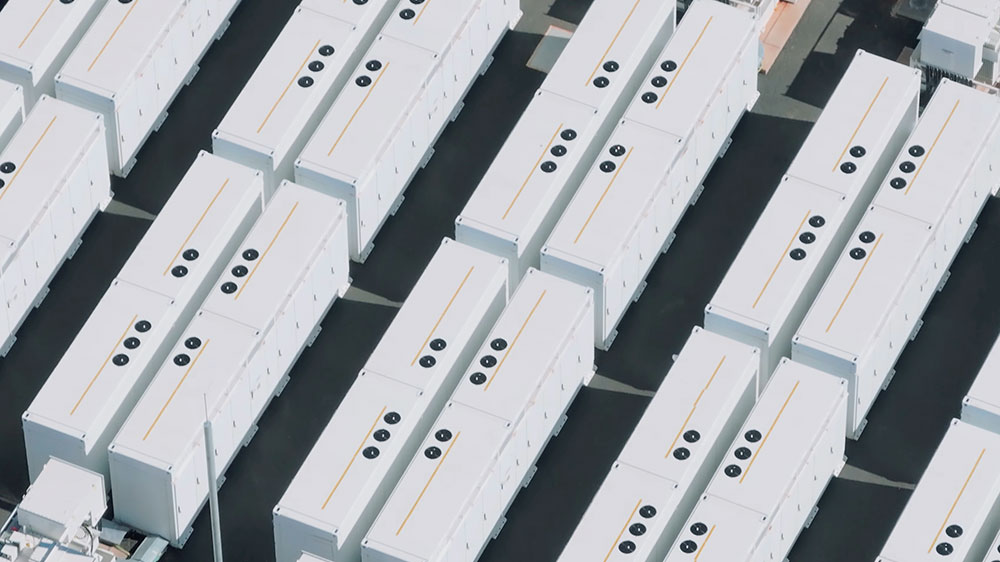
Nala Renewables – Development, acquisition and financing of battery energy storage system (BESS) project
We advised Nala Renewables on the Finnish law aspects of the development, acquisition and financing of its battery energy storage system (BESS) project in Vuolijoki, Finland. The project comprises a 125 MW / 250 MWh battery energy storage system. Our advice extended beyond financing to the transaction’s legal due diligence and the acquisition of the project company. We also advised on key project contracts and financing documentation for the project finance facilities provided by Coöperatieve Rabobank U.A. The project is part of Nala Renewables’ growing portfolio of battery storage assets in Finland and the wider Nordic region, supporting the integration of renewable energy and contributing to the flexibility and stability of the Finnish electricity grid.
Case published 3.11.2026
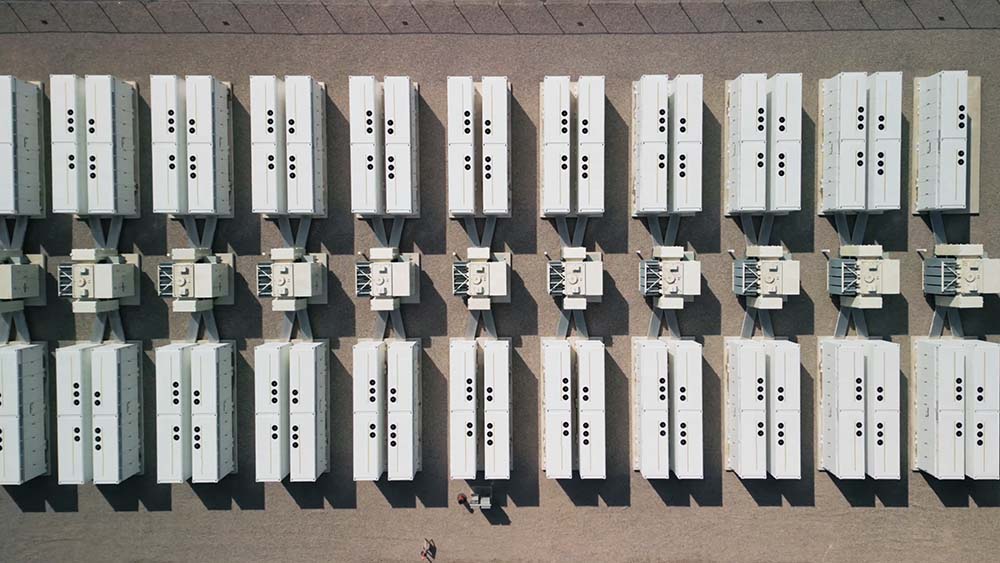
Delta Capacity – Project financing of two battery energy storage systems (BESS)
We advised Delta Capacity AG in a project financing of two battery energy storage systems (BESS). The financed projects are among the largest BESS developments in Finland to enter construction with 250 MW / 600 MWh combined capacity. The financing was provided by Société Générale with support from Finnvera. Construction of both projects, located in Lapinlahti and Teuva, has already begun and the commercial operations are targeted to commence in late 2027 with partial tolling agreements already in place for both assets. The project in Lapinlahti is executed in partnership with Covenergo, while the project in Teuva is executed in partnership with Strioga Family Foundation. Delta Capacity is a Swiss developer of utility-scale battery storage systems. The projects strengthen Delta Capacity’s growing Nordic portfolio and support the flexibility of Finland’s electricity system by adding energy storage capacity, enabling production optimization as well as participation in electricity markets and reserve services.
Case published 28.10.2026

Neoen – Sale of data centre
We advised Neoen Renewables Finland Oy, part of the French Neoen Group, in its sale of a data centre project to a consortium consisting of international data centre developers and operators. This marked Neoen’s first data centre development project in Finland. Founded in 2008, Neoen is one of the world’s leading independent renewable energy producers. The company operates in 15 countries. It develops, finances, builds, owns, and operates solar power plants, wind farms, and battery storage systems. Neoen Group is owned by global alternative asset manager Brookfield Corporation.
Case published 17.9.2026
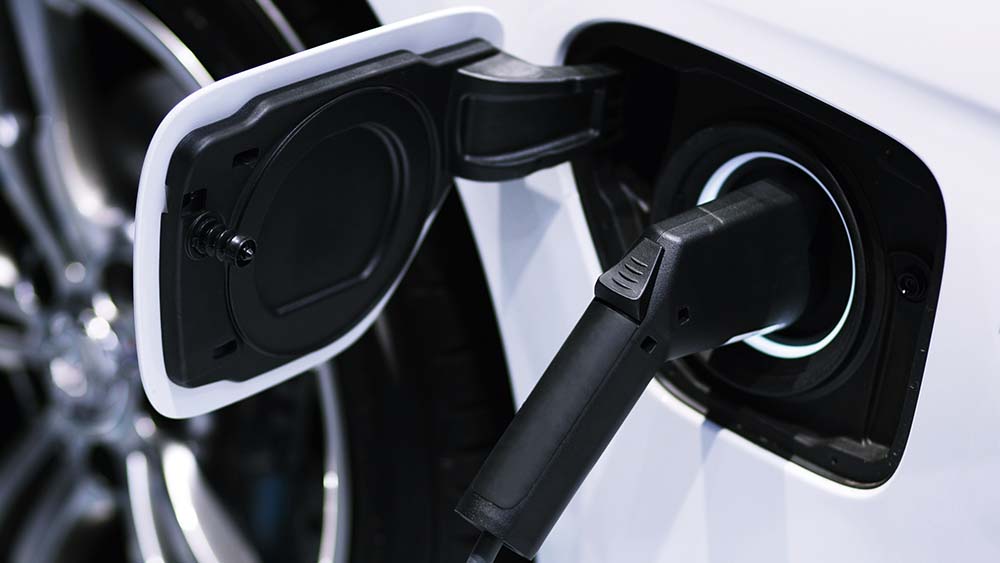
Lenders and Export Credit Agencies – EUR 514.4 million green project financing for Easpring Finland New Materials’ CAM plant
We acted as Finnish law legal adviser to the lenders and the export credit agencies in connection with the EUR 514.4 million green project financing for the development and construction of Easpring Finland New Materials Oy’s cathode active material (CAM) manufacturing plant in Kotka, Finland. The borrower, Easpring Finland New Materials Oy, is a joint venture owned by Beijing Easpring Material Technology, Finnish Minerals Group and LG Energy Solution. The financing was provided by six international commercial banks, with Société Générale acting as financial adviser and mandated lead arranger together with Natixis as co-mandated lead arranger, and DNB, ICBC, ING and Standard Chartered participating as lenders, with support from the export credit agencies Finnvera and Sinosure. The project represents a significant milestone for Finland and the European battery value chain by strengthening Europe’s domestic supply of cathode active materials, a key component in lithium-ion batteries for electric vehicles and energy storage applications. Once the first phase of the project is operational, the Kotka facility is expected to produce approximately 60,000 tonnes of cathode active material annually, making it one of the largest CAM production plants in Europe and supplying leading battery manufacturers across Europe.
Case published 21.7.2026