Finland is in a good position to become a leading country in the energy transition when measured in both the number and value of investments, and the combined value of projects currently planned in Finland is billions of euros. Our new partners Jerker Pitkänen, Eveliina Tammela and Heidi Malmberg advise our clients in green transition projects throughout the project life cycle.
1.2.2024
Our new partners advise companies in energy transition projects throughout the project life cycle



Eveliina Tammela & Jerker Pitkänen
One-stop shop system is expected to streamline permitting processes
‘There is a lot going on in the energy sector at the moment, and it looks like new industrial plant and infrastructure projects are about to get started. As interest rates are settling down, companies can better predict changes in the operating environment this year, which is likely to give green transition investments and construction projects a much anticipated push,’ says Jerker Pitkänen, a partner in our International Construction & Projects service.
The Government is planning to streamline energy transition projects during this term by implementing a so called one-stop shop system. This system would, for example, centralise the permitting and supervision matters of renewable energy construction projects to one authority.
‘The one-stop-shop system is a great reform, and hopefully it also streamlines and harmonises permitting-related appeal processes. Time-consuming appeal processes are currently delaying the progress of projects,’ says Heidi Malmberg, a partner in our Environment, Infrastructure & Natural Resources service.
Thorough environmental impact assessment supports risk management
In green transition-related industrial plant and infrastructure projects, forecasting and planning are an essential part of risk management for both the project and business operations. During the planning phase, companies assess the project’s profitability, timeline and impacts.
‘The criteria set for the environmental impact assessment have become stricter in the past few years. For example, it is necessary to be able to assess the emissions to the environment accurately at a fairly early stage and to provide reliable information to support the assessment. This is challenging because at the time the environmental impacts are assessed, the planning of project details is only just starting. In the wind power sector, for example, wind turbine types are constantly developing,’ summarises Heidi.
Eveliina Tammela, a partner in our Corporate Crime & Investigations service, also encourages to be very accurate in the environmental impact assessment: ‘If the emissions exceed the limit values presented in the environmental permit application and confirmed in the environmental permit itself when the operations have started, the definition of an environmental crime may be met. And if a supervisory authority deems that the conditions included in the environmental permit are not fulfilled, a pre-trial investigation may be started in the matter.’
A directive on environmental crime is being prepared in the EU. The aim of the directive is to promote cross-border investigation and prosecution and to ensure effective sanctions for environmental crime. If the directive enters into force in its current form, a company that commits an environmental crime can be sentenced to a corporate fine linked to the company’s global turnover.
‘Companies should incorporate preventive work and risk management regarding environmental crime, also from the point of view of criminal law, into the company strategy and the planning of plant operations. If a company suspects that an environmental crime has been committed, internal investigation should be started immediately,’ advises Eveliina.
Delays in construction projects are common – precaution is advisable
The energy transition and renewable energy projects have been actively advanced in the Nordic countries in recent years but in many industrial plant projects, companies are facing the unknown. Testing and commissioning new technology take some time, so it is advisable to prepare for delays.
‘Green transition construction projects often involve new technology, which can make it difficult to predict how long different tasks and phases such as the commissioning will take. This means that the risk of delays also increases. It is difficult to completely eliminate the possibility of delays, but the related risks can be managed with well drafted agreements that take the special characteristics of the project into account. Managing the risk of delays requires an active approach during the term of the agreement as well: effective claims management, including, among other things, notices of defect, reserving rights and clear recordings of events, can at best prevent disputes and also improve chances of success if the matter is settled in court or in arbitration,’ summarises Jerker.
Our new partners have a wide range of experience in the planning and permitting of industrial plant and infrastructure projects, related project law and dispute resolution as well as criminal proceedings. Experience in industrial plant and infrastructure projects of various sizes enables Castrén & Snellman’s experts to anticipate and find solutions to legal issues that arise during the planning, construction or operational phase of a project.
‘Thanks to our full-service offering that covers all areas of business law, we can support our clients in any corporate risk management matters, administrative procedures, disputes and criminal proceedings,’ the partners conclude.


Latest news
Latest references

Anthropic – IPO
On Thursday, 19 November 2026, the shares of Anthropic were admitted to trading on Nasdaq. The initial public offering of Anthropic marks the largest IPO in history. In connection with the IPO, Anthropic carried out a public offering to certain European countries, including Finland. Castrén & Snellman acted as Finnish counsel to Anthropic in the European offering.
Case published 20.11.2026
Cibus Real Estate – Acquisition of three retail properties
We advised Cibus Real Estate AB (publ) on its acquisition of three newly built retail properties in Pori, Finland. Kesko is the tenant in all three properties, and the average lease term is 8.1 years. Cibus is a real estate company listed on Nasdaq Stockholm Mid Cap. The company’s business concept is to acquire, develop and manage properties in Europe with daily goods chains as anchor tenants. The company currently owns approximately 700 properties in Europe.
Case published 12.11.2026

Seaya Nova and Molten Ventures – USD 80 million series C financing of Pliant
We advised Seaya Nova and Molten Ventures as Finnish counsel in connection with the USD 80 million Series C financing of Pliant, a Berlin-based fintech specialising in B2B payment solutions and corporate credit cards. The financing round was led by Seaya Nova and Speedinvest, with participation from Illuminate Financial, Motive Partners, Molten Ventures and Citi Ventures. Founded in Berlin in 2020, Pliant provides modular payment solutions for businesses and holds an EU e-money licence in Finland as well as a licence from the UK Financial Conduct Authority. We advised on the Finnish law aspects of the transaction alongside YPOG, which acted as lead counsel to Seaya Nova and Molten Ventures.
Case published 12.11.2026
Nala Renewables – Development, acquisition and financing of battery energy storage system (BESS) project
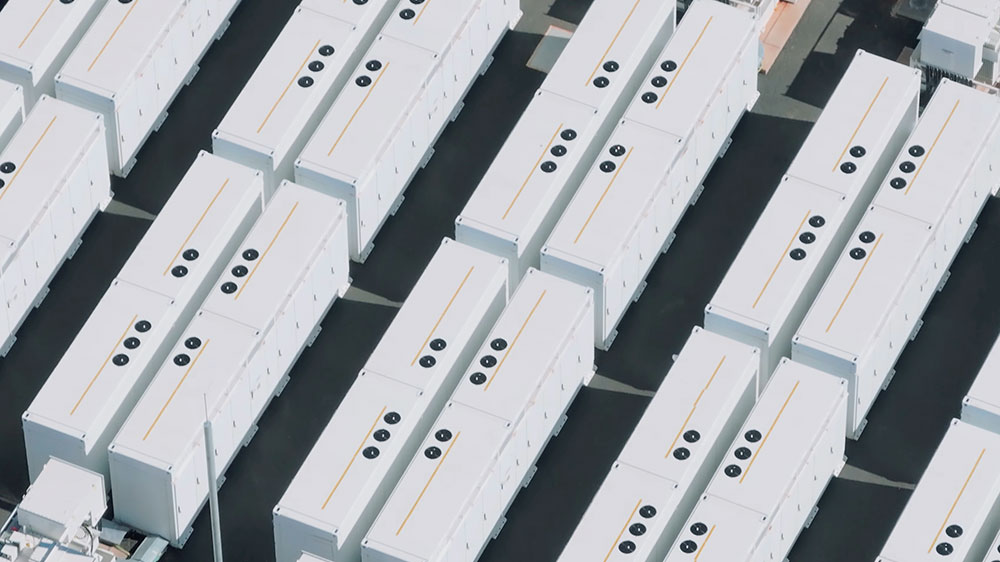
We advised Nala Renewables on the Finnish law aspects of the development, acquisition and financing of its battery energy storage system (BESS) project in Vuolijoki, Finland. The project comprises a 125 MW / 250 MWh battery energy storage system. Our advice extended beyond financing to the transaction’s legal due diligence and the acquisition of the project company. We also advised on key project contracts and financing documentation for the project finance facilities provided by Coöperatieve Rabobank U.A. The project is part of Nala Renewables’ growing portfolio of battery storage assets in Finland and the wider Nordic region, supporting the integration of renewable energy and contributing to the flexibility and stability of the Finnish electricity grid.
Case published 3.11.2026