On the surface, owning and renting of apartments is relatively straightforward and simple: the property is owned by a housing company, and the owner rents out apartments in the building to residents.
1.10.2020
Recent Trends in Housing Investment — Cooperation between Properties and Services for Residents

Related services
In practice, however, owning apartments demands more from both housing companies and investors. In addition to general administration, the housing company has to organise building management and maintenance and the necessary renovations. The landlord or housing company may also offer residents additional services to make life easier.

Cooperation between Neighbouring Buildings More Common
In new housing companies, some practical matters may be arranged together with neighbouring properties. The most common forms this takes is shared yards and parking garages or, for example, pipe collection systems for waste management. From a legal standpoint, there are many ways to arrange this kind of cooperation, for example, through joint arrangement agreements, divided possession agreements or jointly owned companies.
Jointly owned and maintained areas or systems can be more efficient and bring savings but can also be a risk to homeowners. For example, if zoning regulations have not been complied with, it may be difficult to correct the situation if the relevant rights to neighbouring properties have not been carefully agreed. However, these kinds of risks can be minimised through careful contract drafting and risk management.
It is particularly important that homeowners’ rights to the kinds of joint arrangements described above are permanent in all situations and that the division of maintenance and renovation costs and the responsibilities for joint arrangements have been agreed transparently and fairly.
From Housing Investor to Service Provider
Services provided by housing investors to tenants are a recent rising trend. A landlord or housing company may offer residents, for example, carsharing vehicles or gym services, but even personal training services, lobby services or apartment hotel services for the guests of residents.
With large numbers of people transitioning to working from home last spring, the need for shared, adaptable remote working spaces grew. Housing companies with shared spaces for residents were able to use flexible reservation practices to make it possible to use these spaces for meetings or quiet work.
Buildings may also have solar panels to provide electricity to residents or residents who handle the handover of keys and the final inspection of apartments on behalf of the landlord when moving out.
Services Require New Risk Management Expertise
Providing services requires housing investors to be able to manage risks in an increasing number of fields. Depending on the how services are provided to tenants, the landlord or housing company may bear significant liabilities beyond the typical scope of housing investment, such as in the realm of employment law or data protection. The tax treatment of services will also depend on how they are implemented.
Before offering or even marketing services to residents, housing investors should carefully review all of the different ways or implementing the services and the related obligations. Similarly, a thorough due diligence review is important when considering adding a housing property that provides services to an investment portfolio.
Services Improve Returns on Investments
Despite brining new administrative obligations and risks, offering services to residents is a trend that investors should not miss out on. Providing services to residents will enable housing investors to respond to demand from a good position on the market and get better returns on their investment.
Latest insights
Article published 17.7.2026 – Real Estate Investments & Transactions
Special features of real estate transactions in Finland: Formal requirements, permit requirements and pre-emption rights

 Article published 3.1.2025 – Real Estate Investments & Transactions
Finland’s new Building Act entered into force at the beginning of 2025
Article published 3.1.2025 – Real Estate Investments & Transactions
Finland’s new Building Act entered into force at the beginning of 2025

 Article published 30.10.2024 – Environment, Energy & Green Transition
New siting permit for clean energy transition projects proposed for inclusion in the Building Act
Article published 28.8.2024 – Real Estate Investments & Transactions
Building Act brings new climate requirements for construction
Article published 30.10.2024 – Environment, Energy & Green Transition
New siting permit for clean energy transition projects proposed for inclusion in the Building Act
Article published 28.8.2024 – Real Estate Investments & Transactions
Building Act brings new climate requirements for construction
Jessica Salmia & Elina Marttala
Antti Kaakkola, Marius af Schultén, Elina Marttala & Jessica Salmia
Marius af Schultén & Jessica Salmia
Antti Kaakkola & Jessica Salmia
Latest references

Deka Immobilien – Acquisition of a prime logistics property
We advised Deka Immobilien on its acquisition of a prime logistics property located at Turvalaaksonkuja 4, Vantaa, for the Deka-ImmobilienEuropa open-ended real estate fund. The property is situated within the Aviapolis logistics cluster, which is Finland’s leading logistics hub, benefiting from its location next to Helsinki Airport and its connections to the country’s main transport routes. Completed in 2022, the modern property comprises 32,947 sqm of lettable space and is fully let on a long-term basis to Barona Varastopalvelut Oy. The tenant is a Finnish 3PL provider offering warehousing and e-commerce logistics services to companies in Finland and internationally and uses the property as its central logistics hub. The property has achieved a BREEAM International New Construction rating of Excellent and an EPC rating of A, and it features photovoltaic and geothermal systems, among other things.
Case published 3.9.2026

Special investment fund managed by Mandatum – Sale of PMK Building
We advised a special investment fund managed by Mandatum on the sale of the PMK Building, a mixed-use commercial property located in Tammela, Tampere. The property hosts dozens of tenants and offers, inter alia, warehouse, production and office premises.
Case published 13.7.2026

United Bankers – Sale of three care properties
We advised United Bankers on the sale of three care properties to Kinland AS. The buildings were completed between 2021 and 2022 and meet high technical and environmental standards. All three properties are fully leased. The portfolio has a weighted average unexpired lease term of 13 years.
Case published 1.6.2026
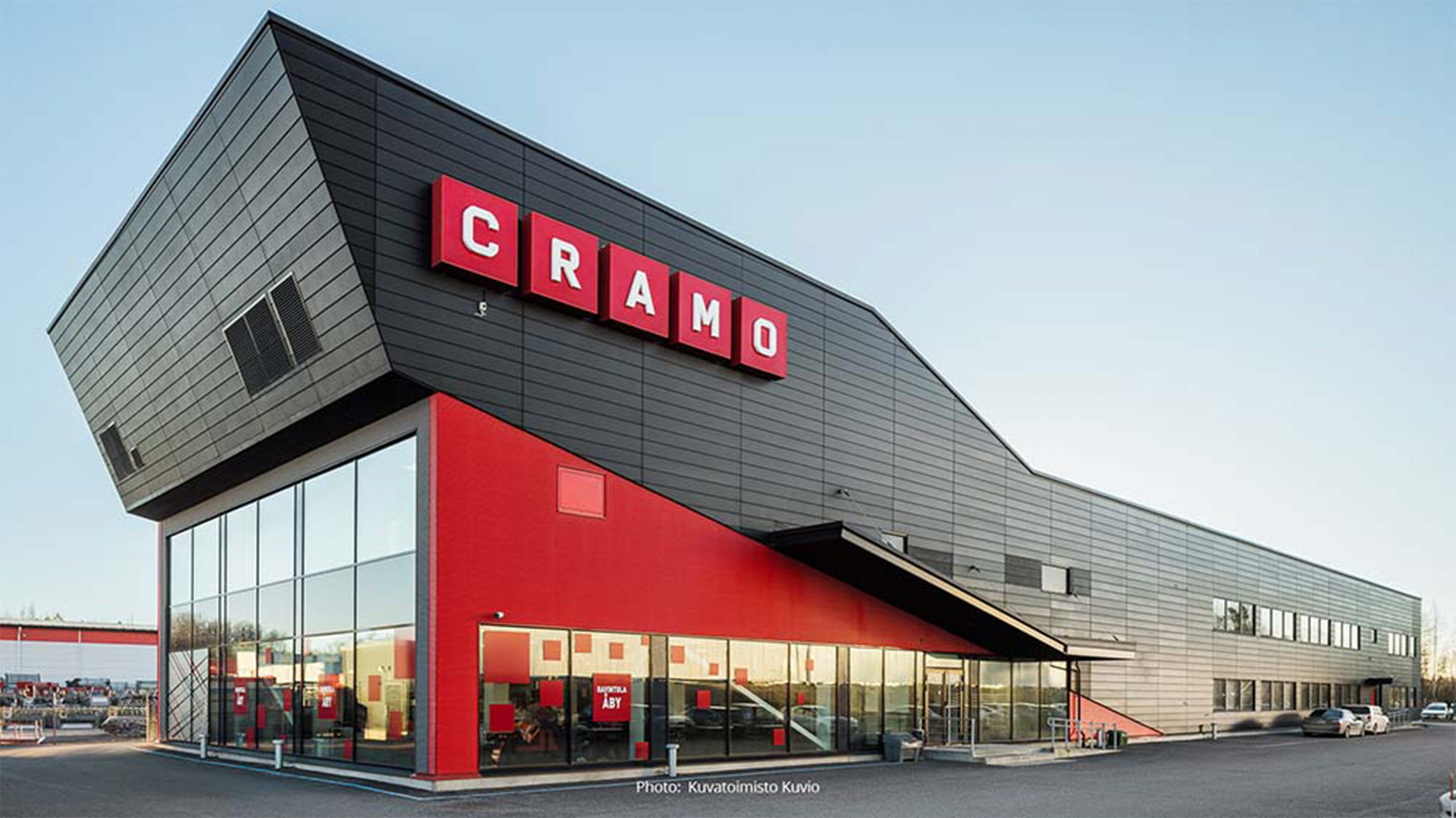
Terrieri Kiinteistöt, A. Ahlström Kiinteistöt and S-Bank Building Plot non-UCITS Fund – Sale of a production and logistics property
We are advising Terrieri Kiinteistöt Ky and A. Ahlström Kiinteistöt Oy in the sale of a modern production and logistics building complex to Swedish property investment company Catena AB. We are also assisting S-Bank Building Plot non-UCITS Fund which in connection with the transaction, has agreed to sell the land area where the building complex is located to Catena AB. The building complex located in the immediate vicinity of Helsinki-Vantaa Airport was completed in 2021 and comprises approximately 23,260 square metres of leasable area, fully leased to Cramo Finland Oy. The approximately 140,000-square-metre plot offers additional long-term development potential in the form of approximately 45,000 square metres of additional building rights.
Case published 21.5.2026