On 4 January 2020, Parliament passed the Act on permit granting processes and certain other administrative procedures for renewable energy plants (1145/2020) (in Finnish laki uusiutuvan energian tuotantolaitosten lupamenettelyistä ja eräistä muista hallinnollisista menettelyistä) with the purpose of streamlining and speeding up the permitting processes and certain other administrative procedures for renewable energy plants. The act will enter into force on 30 June 2021.
12.1.2021
Permitting Processes for Renewable Energy Plants Being Streamlined

Related services
Tags
The new act will enable developers of renewable energy plants to handle their project’s permitting and other administrative procedures listed in the act in a centralised manner through one electronic contact point. Furthermore, the act lays down firm time limits for the maximum duration of permitting processes and other administrative approval procedures for renewable energy plants (i.e. electricity production plants).
The act does not amend the contents of or requirements for the actual permit granting processes or other administrative procedures for renewable energy plants.
The act nationally implements the regulations concerning the organisation and duration of the permit granting process for renewable energy plants provided for in the EU directive on the promotion of the use of energy from renewable sources (EU) No 2018/2001 (RED II).

Electronic Service and Centralised Guidance for Renewable Energy Plants
In the future, the project developer of a renewable energy plant (the applicant) will not be forced to deal separately with many different authorities depending on what permit or approval they are applying for.
Going forward, the applicant can apply through a single electronic contact point for the permits and other administrative approvals listed in the act to build and repower the plant, to connect the plant to the grid and to operate it.
The electronic contact point is administered by one contact point authority, which is the Centre for Economic Development, Transport and the Environment for South Ostrobothnia (ELY Centre). However, permit matters are still resolved by the competent authority specified in the legislation applicable to the permit matter.
As the contact point authority, the ELY Centre for South Ostrobothnia is also obligated to advise applicants in procedural questions (e.g. questions relating to the initiation of a matter and the stage of a procedure) and to give applicants guidance relating to the handling of an administrative matter in cooperation with the competent authority through the electronic contact point.
The applicant can still deal directly with the competent permit authority instead of using the electronic contact point if they so wish.
Time Limits for Permitting and Approval Processes
The act lays down the maximum total duration for the permit processes and other administrative approval procedures for renewable energy plants listed in the act:
The time limits mentioned above only apply to power plants (i.e. plants producing electricity) and not, for instance, to heating plants or renewable fuel plants. However, the act does not define how much of the plant’s total energy production must be electricity production.
The applicable permit processes include, among other things, environmental permits, water permits, permits to deviate from the protection of certain aquatic habitat types and other habitat types, flight obstacle permits, permits to build high voltage cables, consent to build in the Finnish Exclusive Economic Zone, building, action and demolition permits and permits and deviations in areas requiring planning that are handled in connection with the building permit procedure.
The time limit begins to run when the applicant initiates the first applicable permitting process or approval procedure and ends when the last decision on an applicable permitting process or approval procedure has been delivered to the applicant. Thus, the time limit includes all stages of the process from initiation to the notification of the decision, including time limits for supplementing the application and statutory hearings. The applicant is not required to initiate all processes at the same time. However, the time limit does not include the appeal period or the time before the applicant has an applicable matter pending relating to the permitting process. The application of the time limits does not depend on whether the applicant uses the electronic contact point or deals directly with the competent authority.
In certain situations, the time limit set for the total duration can be extended by the same time that certain processes listed in the act require, including appealing a decision on an applicable permit or approval process. Furthermore, the contact point authority can grant a discretionary extension not exceeding one year to the time limit due to exceptional circumstances.
As the contact point authority, the ELY Centre for South Ostrobothnia is obligated to monitor the realisation of the time limits laid down in the act for the duration of permit processes. There are no sanctions for the authorities for exceeding the time limits, but the applicant can resort to general remedies, such as filing an administrative complaint or a complaint to the supreme guardians of the law. Whether or not the binding time limits will actually shorten the authorities’ processing times with respect to plants producing electricity from renewable sources remains to be seen once the act is implemented.
Latest news
Latest references

Fortum – AI workshop
We delivered two AI workshops for Fortum Corporation’s Mergers and Acquisitions team, with both legal and business professionals participating. The sessions combined fundamental AI principles with custom use cases for commercially available AI tools tailored to Fortum’s needs. We also presented a bespoke solution merging AI with a script-based tool developed by our Legal Tech team, enabling a more automated way of working. Our experts conducted the training drawing on their legal background and leading experience in this emerging field of legal technology. Participants particularly appreciated the clarity and relevance of the implementations demonstrated. ‘C&S delivered an excellent, well-structured series of workshops, with directly applicable takeaways,’ says Sabina Hautaviita, Legal Counsel for M&A at Fortum.
Case published 9.3.2026

VR – Supreme Court decision clarifies working time practices
We successfully represented VR Group before the Supreme Court in a case concerning the meal break practice of commuter train drivers. On 6 February 2026, the Supreme Court ruled in VR’s favour (decision KKO:2026:12), confirming that VR had the right to amend the commuter train drivers’ meal break practice in 2021 by rendering the break unpaid in accordance with the applicable collective agreement. This decision clarifies the interpretation of collective agreements and employment legislation as well as the limits of the employer’s right to direct work. Over 250 commuter train drivers challenged the unpaid meal break practice which VR introduced in April 2021. Before the change, meal breaks had a long history of being paid. The change was based on the train drivers’ collective agreement, which allows for meal breaks to be organised either as paid or unpaid time. The Supreme Court ruled that the scheduling and managing of breaks falls within the core area of the employer’s right to direct work. This increases the threshold for an established practice becoming a binding condition for the parties. Merely following a practice consistently and over a long period of time does not make the practice binding; instead, the employer’s intent to commit to the practice must be clearly evident from the employer’s conduct or other circumstances. As both alternatives – paid and unpaid – for organising meal breaks had been retained in the collective agreement despite other amendments over the years, it could not be considered that VR had intended to commit to the paid break practice and waive its right to direct work as regards break scheduling. It was also significant that the employment contracts explicitly referred only to the collective agreement as regards working time. The Supreme Court deemed that the employees’ paid meal break was not an established term of employment and that VR was entitled to change the practice based on the collective agreement. The employer had the right, by virtue of its right to direct work, to unilaterally change the meal break practice by choosing to apply the other arrangement permitted by the collective agreement.
Case published 3.3.2026

CapMan Growth – Investment in Kuntokeskus Liikku
We are assisting CapMan Growth in its significant investment in Kuntokeskus Liikku, a Finnish gym chain known for its high-quality self-service facilities and excellent value for money. The investment will further strengthen Liikku’s position as a market leader and support the continued execution of its growth strategy. Liikku is one of Finland’s leading fitness chains, with more than 70 locations across the country serving nearly 90,000 members. The company’s concept is to offer high-quality self-service gyms at an exceptionally competitive price point which, combined with strong operational efficiency, provides a solid foundation for profitable growth. The company’s main shareholder is COR Group, a long-time partner of CapMan Growth, and a Finnish health and wellness conglomerate known for active ownership and long-term value creation. CapMan Growth is a leading Finnish growth investor that makes significant investments in entrepreneur-led growth companies with a turnover of €10–200 million. CapMan Growth is part of CapMan, which is a leading Nordic private equity investor engaged in active value creation work. CapMan has been listed on the Helsinki Stock Exchange since 2001.
Case published 27.2.2026
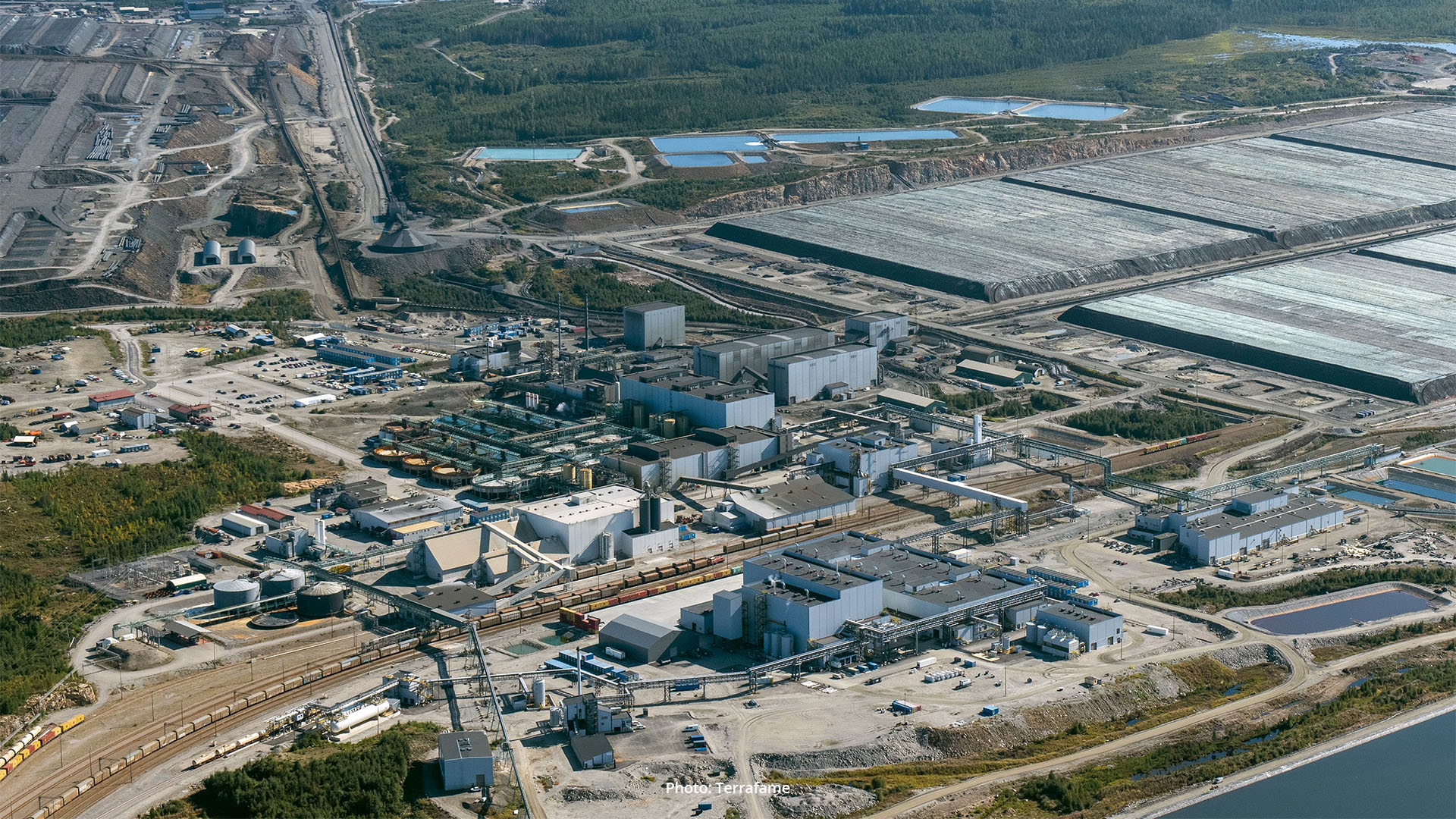
Terrafame – Environmental and water management permit processes concerning the company’s entire operations and the KL1 side rock area
Castrén & Snellman successfully assisted Terrafame Ltd in environmental and water management permit processes concerning the company’s entire operations and the KL1 side rock area, on which the Supreme Administrative Court issued its decision on 12 February 2026 (KHO 366/2026 and 367/2026). The changes made to the decisions of the Vaasa Administrative Court as a result of Terrafame’s appeals, enable the company to implement its new strategy and develop its operations as planned. The decisions of the Supreme Administrative Court brought the nearly ten-year-long permit process to a close.
Case published 20.2.2026