The EU Council has approved a new geo-blocking regulation, which bans unjustified country restrictions to consumers’ access to online shopping sites and restrictions to the use of foreign payment instruments in online purchases. The regulation seeks to promote the EU’s digital internal market and increase consumer choice. The regulation is part of a Commission strategy to update the EU internal market for the digital age.
8.3.2018
New EU Regulation to Ban Unjustified Geo-blocking at Turn of the Year
Companies will not be allowed to block or restrict customers’ access to online sales sites or their different country versions or apply discriminatory general terms and conditions or payment terms based on the on the nationality, residence or location of customers. However, companies will still be allowed to restrict a customers’ access to an online shop if so required by national legislation. Such restrictions must be justified to the customer.
The geo-blocking regulation does not ban price differentiation or offerings targeted to particular customer groups in particular areas. The regulation will also have no effect on distribution systems permitted in competition law or on sales restrictions implemented within such systems as permitted by the block exemption regulation.
For the time being, the regulation does not apply to services relating to copyrighted content, such as e-books, music streaming services or television programming. However, the effects of the new rules and the inclusion of copyrighted content into the scope of the regulation will be reassessed two years after the entry into force of the regulation.
The regulation is planned to enter into force at the turn of 2018 and 2019.
Latest news
Latest references

Anthropic – IPO
On Thursday, 19 November 2026, the shares of Anthropic were admitted to trading on Nasdaq. The initial public offering of Anthropic marks the largest IPO in history. In connection with the IPO, Anthropic carried out a public offering to certain European countries, including Finland. Castrén & Snellman acted as Finnish counsel to Anthropic in the European offering.
Case published 20.11.2026
Cibus Real Estate – Acquisition of three retail properties
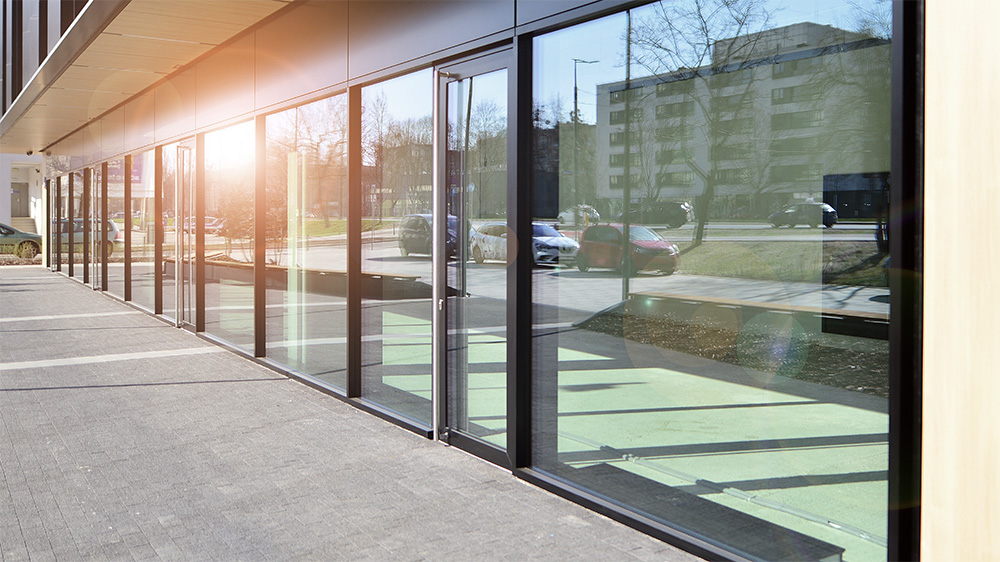
We advised Cibus Real Estate AB (publ) on its acquisition of three newly built retail properties in Pori, Finland. Kesko is the tenant in all three properties, and the average lease term is 8.1 years. Cibus is a real estate company listed on Nasdaq Stockholm Mid Cap. The company’s business concept is to acquire, develop and manage properties in Europe with daily goods chains as anchor tenants. The company currently owns approximately 700 properties in Europe.
Case published 12.11.2026

Seaya Nova and Molten Ventures – USD 80 million series C financing of Pliant
We advised Seaya Nova and Molten Ventures as Finnish counsel in connection with the USD 80 million Series C financing of Pliant, a Berlin-based fintech specialising in B2B payment solutions and corporate credit cards. The financing round was led by Seaya Nova and Speedinvest, with participation from Illuminate Financial, Motive Partners, Molten Ventures and Citi Ventures. Founded in Berlin in 2020, Pliant provides modular payment solutions for businesses and holds an EU e-money licence in Finland as well as a licence from the UK Financial Conduct Authority. We advised on the Finnish law aspects of the transaction alongside YPOG, which acted as lead counsel to Seaya Nova and Molten Ventures.
Case published 12.11.2026
Nala Renewables – Development, acquisition and financing of battery energy storage system (BESS) project
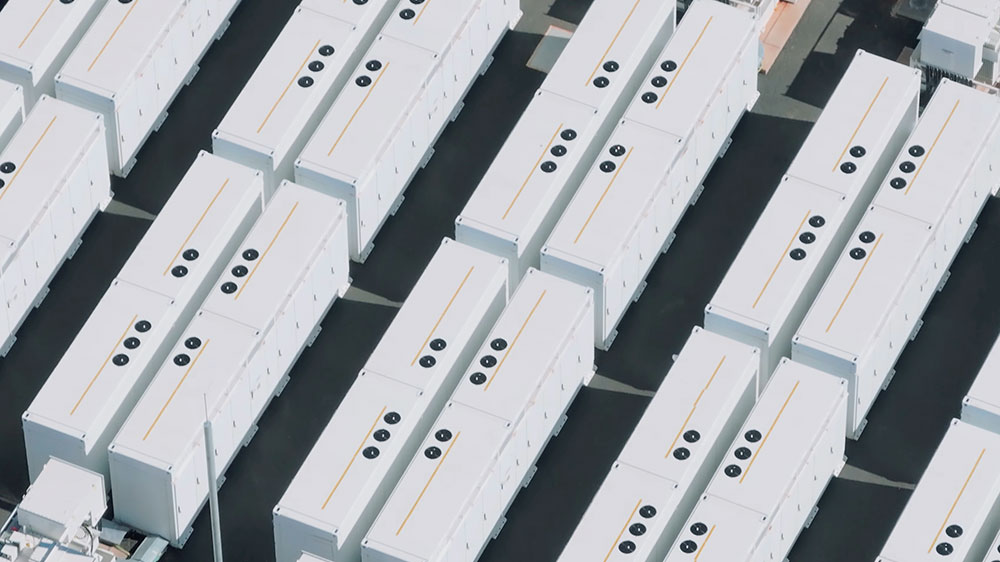
We advised Nala Renewables on the Finnish law aspects of the development, acquisition and financing of its battery energy storage system (BESS) project in Vuolijoki, Finland. The project comprises a 125 MW / 250 MWh battery energy storage system. Our advice extended beyond financing to the transaction’s legal due diligence and the acquisition of the project company. We also advised on key project contracts and financing documentation for the project finance facilities provided by Coöperatieve Rabobank U.A. The project is part of Nala Renewables’ growing portfolio of battery storage assets in Finland and the wider Nordic region, supporting the integration of renewable energy and contributing to the flexibility and stability of the Finnish electricity grid.
Case published 3.11.2026