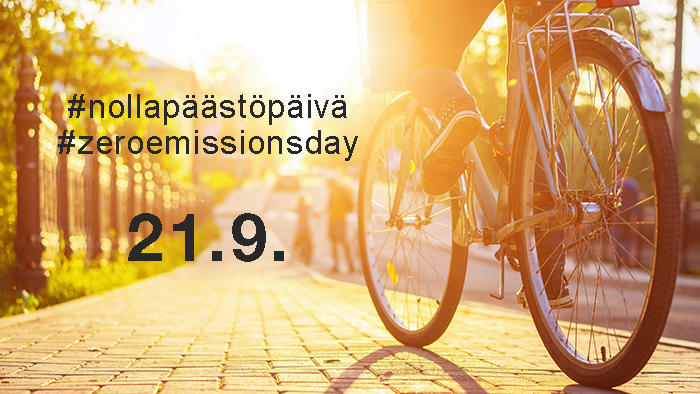
Castrén & Snellman invites its personnel and clients to join the international Zero Emissions Day on 21 September 2018.
19.9.2018
Leave Your Car at Home for Zero Emissions Day on 21 September: Take the Public Transport, Cycle or Walk to Work, or Work Remotely
Tags
Castrén & Snellman invites its personnel, clients and business partners to leave their car at home on Friday and to commute by public transport, by bike or on foot. Or why not work remotely and avoid transport altogether?
Our firm was invited to join the Zero Emissions Day by the Climate Leadership Coalition, which we have been a member of since 2016. The Zero Emissions Day aims to give the Earth a day off from fossil fuel consumption, to call attention to the climate impacts of our daily decisions and to encourage everyone to make more sustainable consumption choices.
‘We always strive towards the best results, but not at the expense of the environment. That is why we are thrilled to participate in the Zero Emissions Day. We encourage our clients and colleagues who join the effort to spread the message by posting a photo of their remote office or journey to work on social media with the hashtag #Nollapäästöpäivä or #ZeroEmissionDay’, says Merja Kivelä, a Castrén & Snellman partner.
CLC members will mark the day with campaigns for their customers, employees and other stakeholders. They will also work together with schools. Read more on the website of the CLC.
Let’s work together to give the Earth a day off!
For further information, please contact:
Castrén & Snellman Attorneys Ltd is a member of the Climate Leadership Coalition and the FIBS corporate responsibility network. We are also the first law firm member in the WWF’s Green Office network, which we have been a part of since 2009. This year, we began compensating our flight emissions by supporting environmental projects recommended by the WWF.

Latest news
Latest references

Banyan Software – Acquisition of Carus Ferry
We acted as legal adviser to Banyan Software on its acquisition of Carus Ferry, a Finland-based provider of reservation, check-in and port operations software for ferry and passenger shipping operators. The acquisition further strengthens Banyan Software’s presence in the Nordic region while providing Carus with a long-term partner to support its continued growth and development. Carus was founded in 1998 and is headquartered in Mariehamn on the Åland Islands, Finland. The company develops mission-critical software for ferry, cruise and passenger shipping operators, covering the full passenger journey from booking and ticketing to capacity management, check-in and boarding. Carus also provides port automation, onboard sales systems and business information tools. The company serves approximately 30 operators across four continents and is the largest vendor by customer count in ferry reservation and departure control. Banyan Software is an acquirer and long-term operator of mission-critical software businesses serving specialised industries. Founded in 2016, Banyan follows a buy-and-hold-for-life approach and supports the long-term growth and development of its portfolio companies. Banyan operates more than 130 portfolio companies across North and South America, the United Kingdom, Europe and APAC. Following the acquisition of Carus, Banyan operates three businesses in the Nordic region.
Case published 20.10.2026
Move Energy – Combination of 3North Partners and Steady Energy and related private placement and IPO
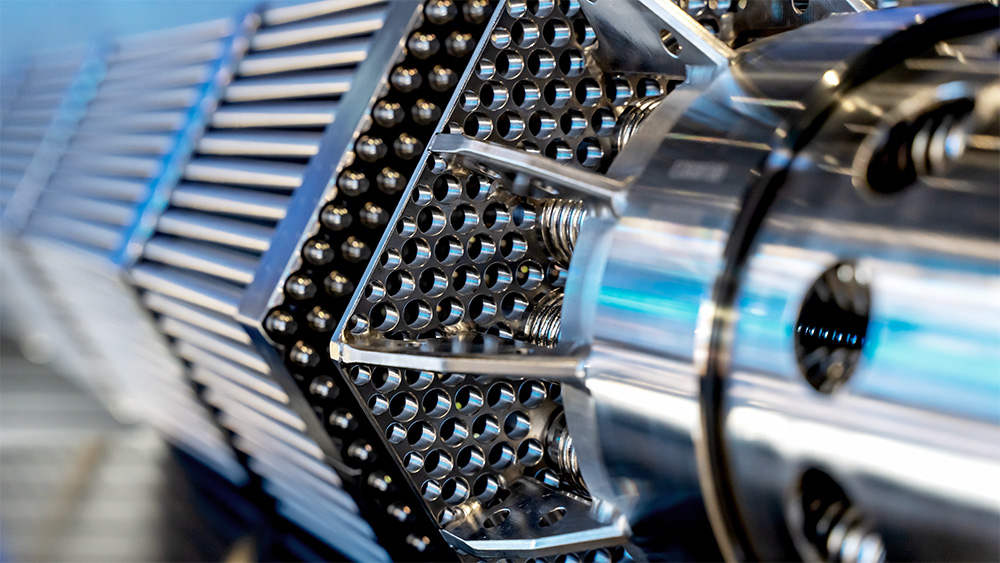
We advised Move Energy as an investor in connection with the combination of 3North Partners Plc and Steady Energy Oy and the related private placement and initial public offering of the combined company on Nasdaq First North Growth Market Finland. In connection with the transaction, 3North Partners received approximately EUR 69.8 million in investor commitments from a group of institutional and other investors, including Move Energy, to fund the combined company. Steady Energy is a Finnish nuclear technology company developing a new generation of small modular reactors (SMRs) particularly suited for district heating. Its LDR-50 reactor is designed to provide cities and utilities with a scalable and low-carbon alternative to combustion-based heat production.
Case published 19.10.2026

Efima – Sale of AI business
We advised Efima Oyj on the sale of its AI business to Better Care Technologies Oy. The transaction included Efima’s Moiva AI platform developed for the care sector, the related technology and brand, customer contracts, and the experts working in the business. Efima is a Finnish digital company that supports the sustainable growth of large and mid-sized companies by streamlining their business processes and by creating competitive advantage through the innovative use of artificial intelligence and data. The company has nearly 200 experts based in Helsinki and Tampere.
Case published 21.9.2026

Neoen – Sale of data centre
We advised Neoen Renewables Finland Oy, part of the French Neoen Group, in its sale of a data centre project to a consortium consisting of international data centre developers and operators. This marked Neoen’s first data centre development project in Finland. Founded in 2008, Neoen is one of the world’s leading independent renewable energy producers. The company operates in 15 countries. It develops, finances, builds, owns, and operates solar power plants, wind farms, and battery storage systems. Neoen Group is owned by global alternative asset manager Brookfield Corporation.
Case published 17.9.2026