Registered associations will in future have the right to appeal building permits if the permit concerns a project that is subject to the Act on Environmental Impact Assessment Procedure. This amendment to the Land Use and Building Act (132/1999) entered into force on 1 December 2021.
9.12.2021
Right to Appeal Building Permits Expands to Registered Associations as of December 2021

Related services
The amendment is based on the formal notice issued by the European Commission to Finland stating that Finland has failed to transpose several provisions of the Directive on the assessment of the effects of certain public and private projects on the environment (2011/92/EU).

What Has Changed?
The right to appeal a building permit now also applies to registered associations whose purpose is to promote the conservation of the environment, health or nature.
However, the expanded right of appeal only applies to buildings in projects that are subject to the Act on Environmental Impact Assessment Procedure.
In other words, the environmental impacts of the project must have been subject to an environmental impact assessment procedure. The right of appeal in building permit procedures concerns all buildings that are part of the project subject to the environmental impact assessment.
For example, the building permit for a major industrial facility located in an industrial park or the building permit for an individual wind turbine that is part of a wind park project could fall under the expanded right of appeal.
The right of appeal also includes the right to make a request for an administrative review. The right to make such a request is determined on the same grounds as the right of appeal. A decision made on the basis of a request for an administrative review can be appealed.
It is worth noting that the grounds for an appeal by an association are limited to the field of operation defined in the association’s by-laws, and the building in question must be located in the association’s area of operations.
What Impacts Will the Amendment Have?
The amendment will expand the pool of potential appellants and could, therefore, delay a building permit from becoming final. Construction cannot, as a rule, be started before the permit is final, and an appeal process could delay the implementation of the project.
Parties applying for building permits still have the right to apply to the permit authority for the right to commence, based on which the construction work can be performed partially or in full against placement of a security prior to the building permit being final. In such case, commencing construction work means taking the risk that the appeal authority could later overturn the permit decision. Further, while an appeal is pending, an appeal authority may also prohibit the enforcement of the permit decision.
Latest news
Latest references
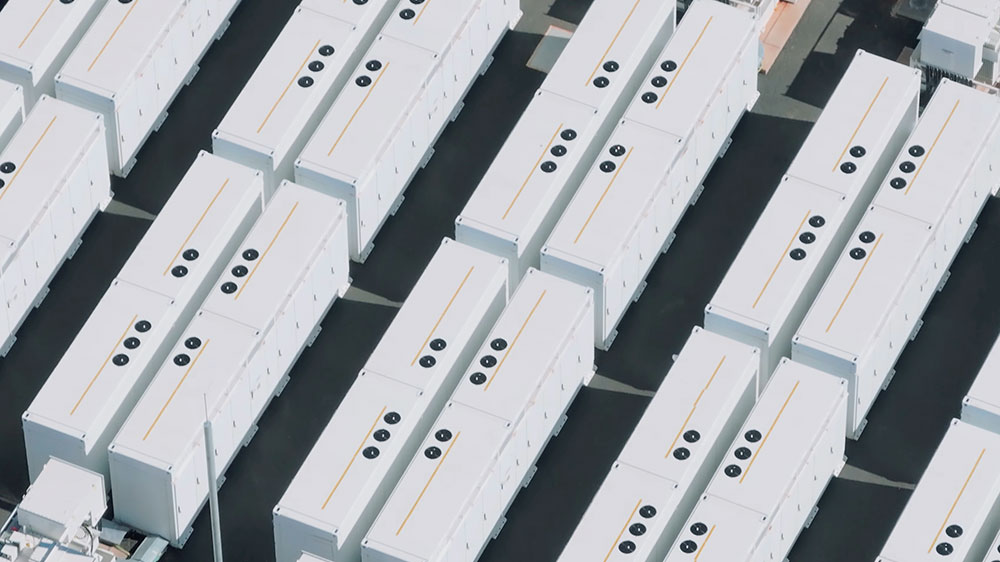
Nala Renewables – Development, acquisition and financing of battery energy storage system (BESS) project
We advised Nala Renewables on the Finnish law aspects of the development, acquisition and financing of its battery energy storage system (BESS) project in Vuolijoki, Finland. The project comprises a 125 MW / 250 MWh battery energy storage system. Our advice extended beyond financing to the transaction’s legal due diligence and the acquisition of the project company. We also advised on key project contracts and financing documentation for the project finance facilities provided by Coöperatieve Rabobank U.A. The project is part of Nala Renewables’ growing portfolio of battery storage assets in Finland and the wider Nordic region, supporting the integration of renewable energy and contributing to the flexibility and stability of the Finnish electricity grid.
Case published 3.11.2026
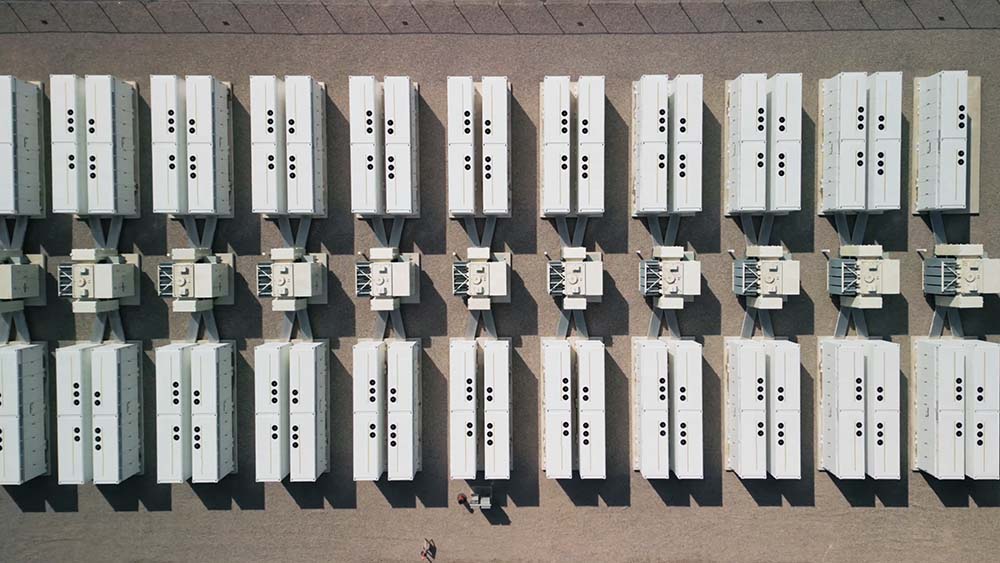
Delta Capacity – Project financing of two battery energy storage systems (BESS)
We advised Delta Capacity AG in a project financing of two battery energy storage systems (BESS). The financed projects are among the largest BESS developments in Finland to enter construction with 250 MW / 600 MWh combined capacity. The financing was provided by Société Générale with support from Finnvera. Construction of both projects, located in Lapinlahti and Teuva, has already begun and the commercial operations are targeted to commence in late 2027 with partial tolling agreements already in place for both assets. The project in Lapinlahti is executed in partnership with Covenergo, while the project in Teuva is executed in partnership with Strioga Family Foundation. Delta Capacity is a Swiss developer of utility-scale battery storage systems. The projects strengthen Delta Capacity’s growing Nordic portfolio and support the flexibility of Finland’s electricity system by adding energy storage capacity, enabling production optimization as well as participation in electricity markets and reserve services.
Case published 28.10.2026

Neoen – Sale of data centre
We advised Neoen Renewables Finland Oy, part of the French Neoen Group, in its sale of a data centre project to a consortium consisting of international data centre developers and operators. This marked Neoen’s first data centre development project in Finland. Founded in 2008, Neoen is one of the world’s leading independent renewable energy producers. The company operates in 15 countries. It develops, finances, builds, owns, and operates solar power plants, wind farms, and battery storage systems. Neoen Group is owned by global alternative asset manager Brookfield Corporation.
Case published 17.9.2026
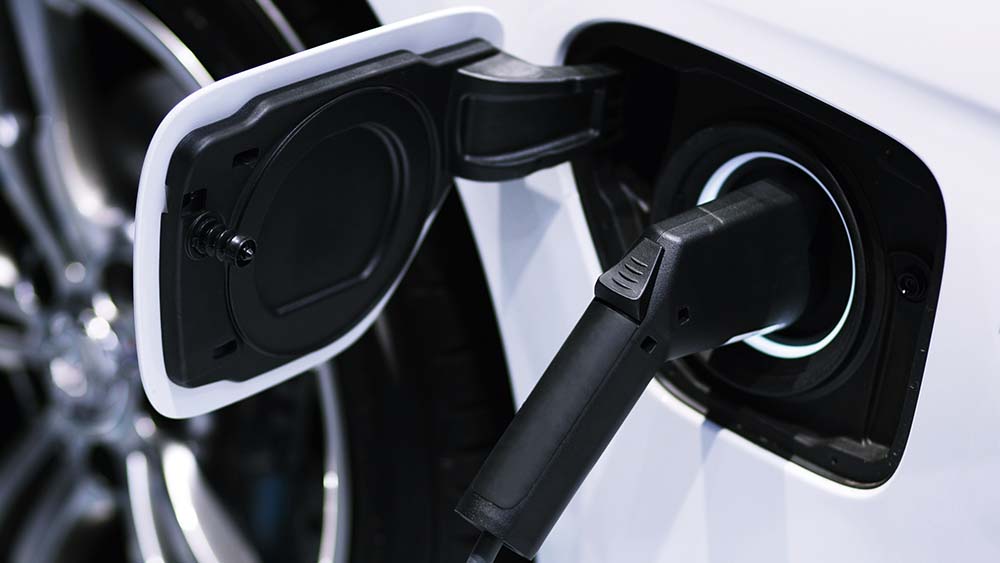
Lenders and Export Credit Agencies – EUR 514.4 million green project financing for Easpring Finland New Materials’ CAM plant
We acted as Finnish law legal adviser to the lenders and the export credit agencies in connection with the EUR 514.4 million green project financing for the development and construction of Easpring Finland New Materials Oy’s cathode active material (CAM) manufacturing plant in Kotka, Finland. The borrower, Easpring Finland New Materials Oy, is a joint venture owned by Beijing Easpring Material Technology, Finnish Minerals Group and LG Energy Solution. The financing was provided by six international commercial banks, with Société Générale acting as financial adviser and mandated lead arranger together with Natixis as co-mandated lead arranger, and DNB, ICBC, ING and Standard Chartered participating as lenders, with support from the export credit agencies Finnvera and Sinosure. The project represents a significant milestone for Finland and the European battery value chain by strengthening Europe’s domestic supply of cathode active materials, a key component in lithium-ion batteries for electric vehicles and energy storage applications. Once the first phase of the project is operational, the Kotka facility is expected to produce approximately 60,000 tonnes of cathode active material annually, making it one of the largest CAM production plants in Europe and supplying leading battery manufacturers across Europe.
Case published 21.7.2026