As a leading full-service team in environment, energy and green transition, Castrén & Snellman’s lawyers bring together broad experience covering all the key areas of law needed by the clients.
22.9.2025
Spotlight on Environment, Energy and the Green Transition: Castrén & Snellman strengthens its team and expertise
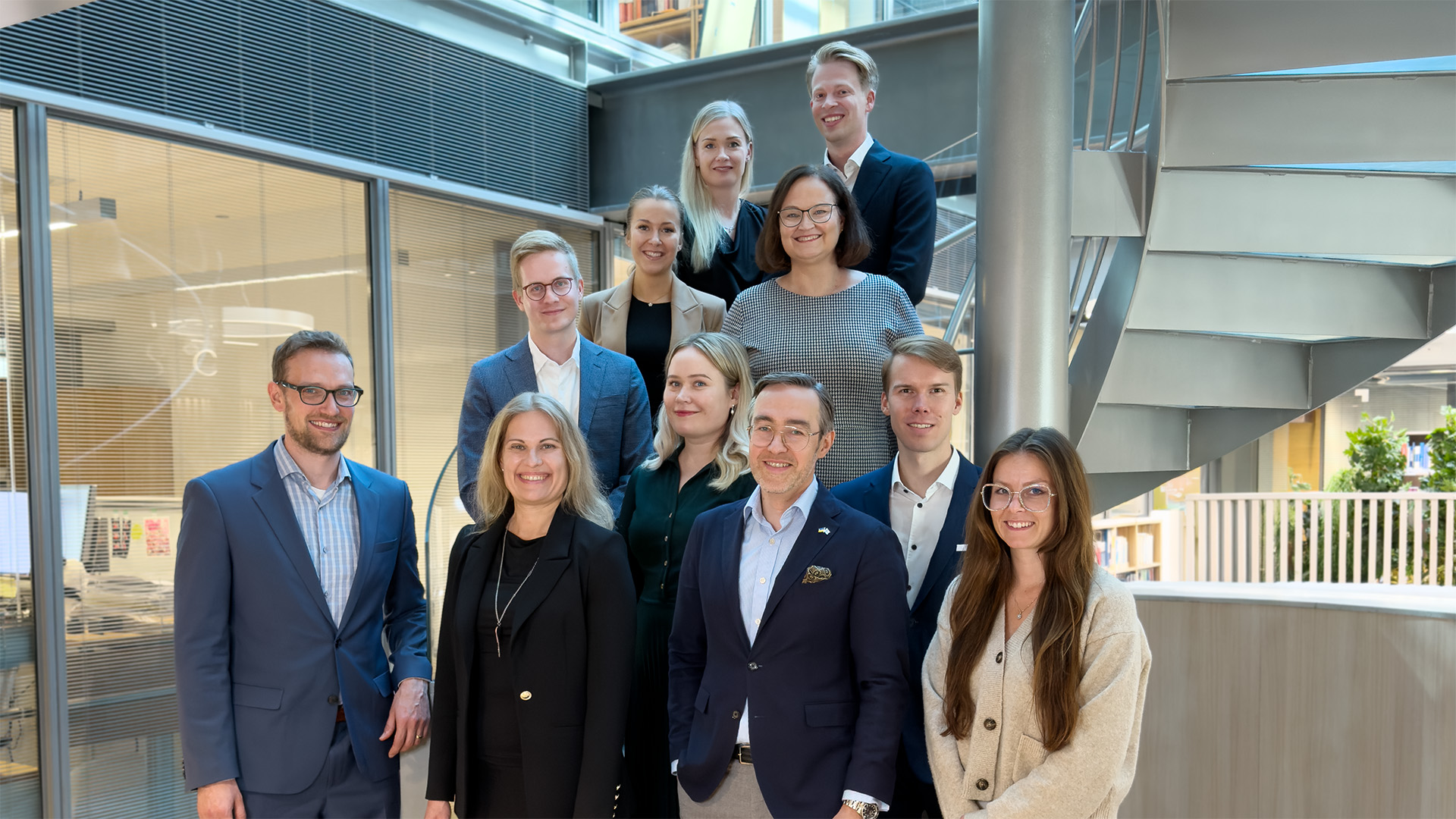
Our team combines deep legal expertise with broad experience in industrial, natural resources, renewable energy, and infrastructure projects. We are a strategic partner to our clients, who value proactive approach and long-term cooperation.
We provide clear, focused, and solution-oriented advice to our clients on complex environmental, mining, and energy sector issues. In addition, our firm’s market-leading full-service concept ensures that all areas of business law are covered for our clients to succeed in the evolving business environment.
This year, our work highlights include advising on Oomi Solar’s sale of a 250 MW solar project portfolio to Suomen Aurinkovoima, the merger of Oomi and Lumme Energia, as well as Fortum’s acquisition of a renewable power project development portfolio from Enersense, Verne Global’s data centre projects in Finland, Nevel’s acquisition of Labio’s business, Kobold Metals’ agreement with Aurion Resources, and major financing and ownership arrangements of Pori Energia.
The team has strengthened with Partner Tarja Pirinen, one of Finland’s most experienced advisers in mining and environmental law. She supports our clients in permitting and regulatory matters across mining, industrial, energy and infrastructure projects, further broadening our capabilities in environmental and mining law overall.






Latest news
Latest references

Suominen Corporation – Rights Issue
We advised Suominen Corporation in connection with its rights issue. The offering was oversubscribed, and the company raised gross proceeds of approximately EUR 28 million. We also advised Suominen in connection with the renegotiation of the terms of the company’s three-year EUR 100 million syndicated credit facility, under which the maturity was extended and headroom was added to the financial covenants. “I would like to thank our shareholders for their support and confidence in Suominen’s future. The completion of the Offering will enable us to accelerate the implementation of our Full Potential Program while strengthening our capital structure. Our transformation particularly focuses on enhancing the reliability and efficiency of our production and supply, and on reinforcing our commercial capabilities, allowing us to better meet the expectations of our customers and shareholders”, comments Charles Héaulmé, President and CEO of Suominen. Suominen is a nonwovens manufacturer operating in global markets. Suominen creates value by taking fiber raw materials and turning them into nonwovens that the company’s customers convert into both consumer and professional end products. Suominen’s vision is to be the frontrunner for nonwovens innovation and sustainability. Suominen’s net sales in 2025 were EUR 412.4 million and the company has almost 700 professionals working in Europe and in the Americas. Suominen’s shares are listed on Nasdaq Helsinki.
Case published 6.7.2026
Nordea Bank Abp and Avain Yhtiöt – A financing arrangement of a real estate portfolio
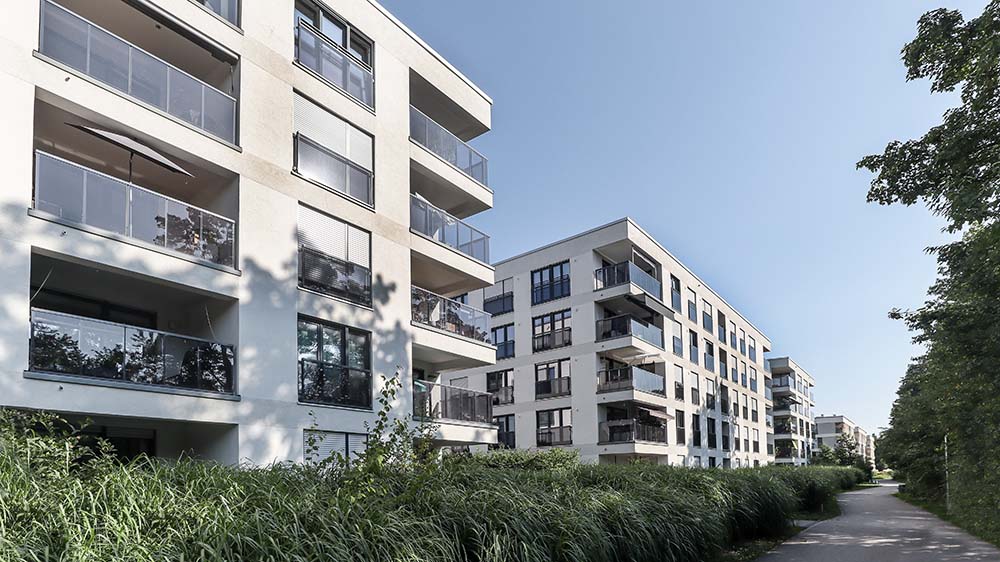
We acted as joint legal advisor for Nordea Bank Abp and Avain Yhtiöt in an approximately EUR 48 million financing arrangement which included facilities for refinancing of an existing real estate portfolio and also for acquisition and property development purposes. The financing arrangement strengthens Avain Yhtiöt’s objective to build and maintain a functional, safe and environmentally friendly living environment, as well as to develop the overall quality of housing and construction. Avain Yhtiöt is a Finnish group specialising in housing and housing-related services, construction contracting and new construction. Its goal is to build 1,000 new apartments per year in key growth areas in Finland.
Case published 2.7.2026

Shareholders – Sale of the Suomen Autohuolto Group
We advised the shareholders of Suomen Autohuolto Oy in connection with the sale of the company’s entire share capital, to SAKA Finland Group Oy. Suomen Autohuolto Group is one of Finland’s largest companies specializing in brand-specific automotive maintenance and has locations in Oulu, Tampere, and from July, also in Järvenpää. The transaction is subject to final approval by the Finnish Competition and Consumer Authority (KKV).
Case published 26.6.2026

Natural Resources Institute Finland – AI training
We delivered two tailor-made AI workshops for the lawyers at the Natural Resources Institute Finland (Luke). We discussed the AI revolution and its impact on lawyers’ ways of thinking and working, and left the participants with practical solutions for enhancing and streamlining their work with Legora. Our AI-specialist lawyers prepared use cases tailored to Luke and the needs of public administration, which Luke received for its own use following the workshops. These use cases covered topics such as: utilising legal sources and the organisation’s own data to maximise AI results building and leveraging AI workflows AI-enhanced contract drafting based on a large volume of documents. The workshops sparked wide-ranging discussion on the role and benefits of AI in legal work. Participants appreciated how clearly and comprehensively our experts were able to present the nature and benefits of AI specifically within a legal context. ‘The workshops provided excellent support for Luke’s goal of leveraging AI responsibly and gave us concrete and ready-to-use practical takeaways,’ says Hannu Laitinen, Luke’s Senior Vice President, Administrative Affairs.
Case published 26.6.2026